
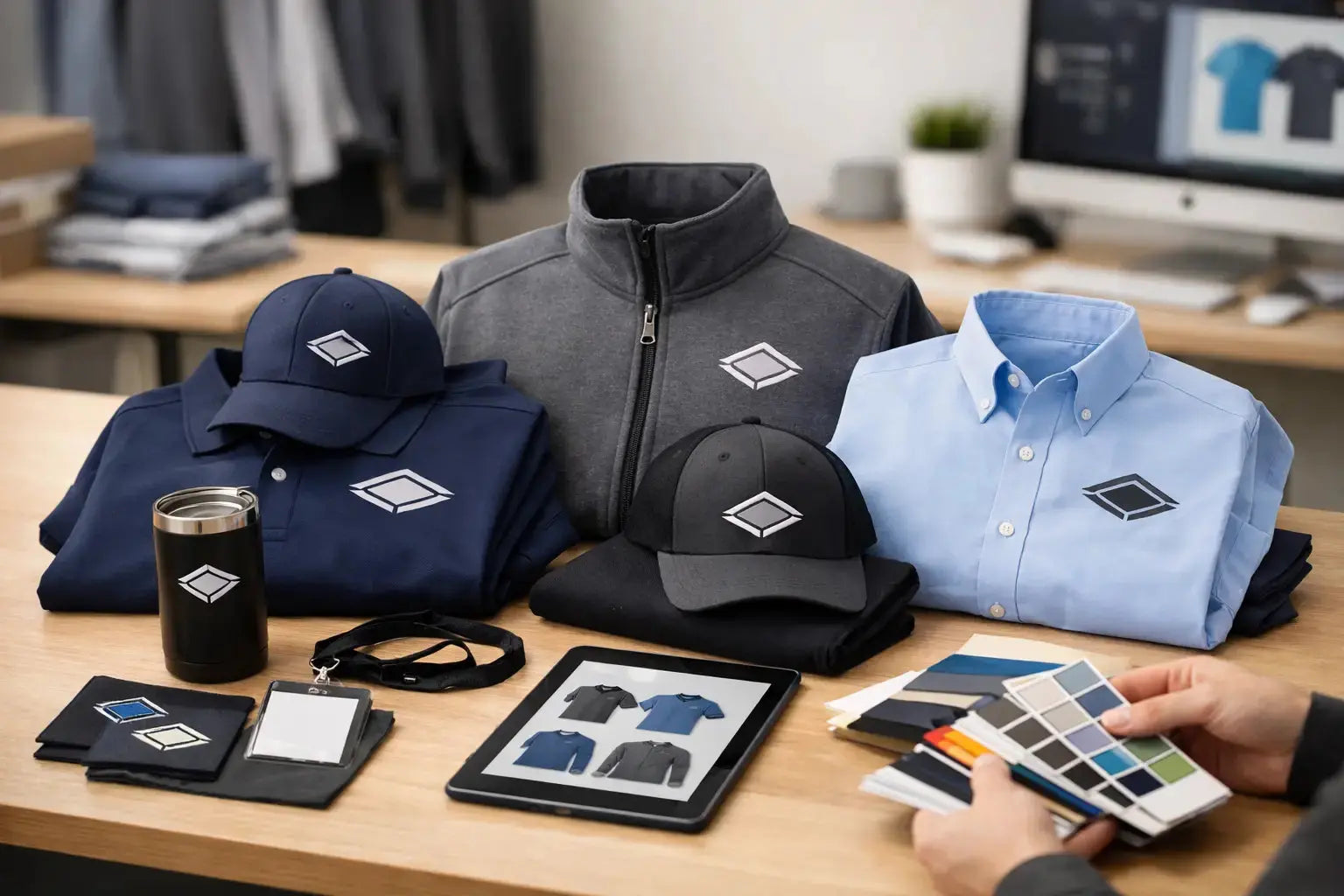
When a team shows up in mismatched polos, faded aprons, or inconsistent colors, the brand feels less organized before anyone says a word. That is why many companies start asking how to order branded uniforms for staff only after they have already seen the cost of inconsistency - in presentation, team confidence, and customer trust.
Ordering uniforms is not just a purchasing task. It sits between branding, operations, budget control, and day-to-day practicality. The best results come from getting the basics right early, so production moves quickly and the finished uniforms actually work for the people wearing them.
How to order branded uniforms for staff without delays
The fastest way to place a successful order is to decide the purpose before discussing styles or printing methods. A front-desk team, warehouse crew, restaurant staff, sales promoters, and exhibition team will not need the same garment type, fabric weight, or branding placement. If the use case is not clear, approvals usually slow down later.
Start with the working environment. Indoor office staff may need crisp polos, shirts, or blouses that hold branding neatly and look presentable through long shifts. Hospitality teams often need comfort, stain resistance, and easy movement. Outdoor teams may need breathable fabrics, visibility features, or layering options. Event staff usually need a polished branded look that is easy to issue in bulk and simple to wear for short campaigns.
Once the role is defined, align the uniform with the brand standard. That includes approved logo files, brand colors, preferred placement, and whether the look should feel formal, casual, premium, or utility-focused. This stage matters because a logo that looks clean on packaging or signage may need adjustment when applied to fabric.
Choose the right garment before the branding method
A common mistake is choosing print or embroidery first. In practice, the garment should lead the decision. Fabric composition, garment construction, and expected wear all affect how branding performs.
Polo shirts remain one of the most practical choices for many businesses because they balance comfort, branding visibility, and easy sizing. T-shirts can work well for promotions, logistics, and short-term activations where budget and fast distribution matter. Dress shirts and corporate wear are better suited to client-facing environments where a more formal presentation is part of the brand experience. Aprons, jackets, coveralls, caps, and safety wear may be needed for specific sectors.
Fabric also deserves more attention than many buyers give it. Cotton can feel more natural and comfortable, but blends often perform better for repeated washing, shape retention, and color stability. Lightweight fabrics work well in warmer conditions, while heavier materials may hold structure better. There is no single best option - it depends on who will wear the uniform, how often, and under what conditions.
Embroidery vs print
Embroidery gives a premium, durable finish and is often preferred for polos, shirts, jackets, and caps. It works especially well for chest logos and company names. However, it is not ideal for every artwork style. Very small text, fine details, or large filled areas may not translate cleanly.
Printing can be better for larger graphics, multi-color designs, or promotional staff uniforms where visual impact matters. The right print method depends on the garment and design, but the key commercial question is simple: do you need a sharp corporate finish, bold visual coverage, or a cost-effective option for volume? A reliable supplier should guide that decision based on actual use, not just preference.
Get sizing and quantities right early
Most uniform issues are not branding issues. They are sizing issues.
Before production, decide whether you need unisex sizing, men’s and women’s cuts, or a role-based mix. If your team is spread across departments or locations, size collection should be structured instead of informal. A spreadsheet with employee name, role, size, garment type, and quantity is much better than collecting size requests through messages or verbal approvals.
It is also smart to order with buffer quantities. New hires, size exchanges, damaged units, and event replacements are common. If you only order exact quantities, a small staffing change can force a second production run. That usually increases cost per piece and creates timing pressure.
The right buffer depends on team size. A small office may only need a few extra units in core sizes. Larger businesses often benefit from keeping stock in the most common sizes, especially for field staff, promoters, or hospitality teams with ongoing turnover.
Build a clear uniform brief
If you want accurate quoting and faster approvals, send one organized brief instead of multiple scattered requests. The more complete the brief, the easier it is for the supplier to recommend suitable options and avoid rework.
Your brief should cover garment type, quantity, expected use, preferred colors, logo placement, sizing structure, and deadline. If there are specific performance requirements such as breathable fabric, stain resistance, easy-care washing, or a formal presentation standard, say so upfront. Include your logo in a clean editable format whenever possible.
Visual references can help too, but they should support the brief rather than replace it. A photo may show the style you like, while the written brief explains what the team actually needs. That distinction saves time.
Ask for a mockup or sample when the order matters
For larger quantities or higher-visibility use, a visual mockup is worth reviewing before approval. It helps confirm logo size, placement, thread or print color, and overall balance on the garment. If the order is for senior staff, public-facing teams, retail, or a major event, a physical sample can be even more useful.
This is where trade-offs matter. Samples add a step, but they can prevent a much larger issue later. For a simple repeat order, you may move directly to production. For a first-time order or a new uniform design, pre-production checks are usually time well spent.
Compare suppliers on execution, not just price
When businesses evaluate uniform vendors, price often gets the first look. That is understandable, but uniforms are a repeat-use branded asset. If sizing is inconsistent, branding is poorly placed, or approvals are handled slowly, the real cost goes beyond the invoice.
A better comparison looks at responsiveness, quoting clarity, branding guidance, production consistency, and the ability to manage both standard and custom requirements. Ask how artwork is reviewed, how sizes are confirmed, what garment options are available, and how repeat orders are handled. A supplier that can organize these details well is usually easier to work with over time.
For businesses ordering in Dubai or across the UAE, local coordination can also make a practical difference when deadlines are fixed and approvals need to move quickly. That is one reason many companies prefer working with a supplier that can handle sourcing, branding, and delivery in one process.
Approve the details that usually get missed
Before giving final approval, review more than the logo. Confirm garment color against brand expectations, check where the logo sits on each item, and verify that names, departments, or back prints are spelled correctly if personalization is included.
Also confirm whether all items in the order use the same branding method. A cap, polo, and jacket may each need a different technical approach. That is normal, but it should still feel visually consistent when worn together.
Packaging and sorting can matter as well, especially for multi-branch businesses or event rollouts. If uniforms need to be packed by employee, department, or location, mention it before production is complete. This small planning step can save hours during internal distribution.
Plan for repeat orders from the beginning
The first order should not be treated as a one-time task if the business will need uniforms again. Keep approved artwork, garment specs, color references, branding placement notes, and size history organized. That makes reordering faster and reduces the risk of inconsistent batches later.
It is also useful to track what worked in real use. Did the fabric hold up well? Did staff like the fit? Was embroidery the right choice? Did certain sizes run small? Feedback after the first rollout helps improve the next order instead of repeating the same issues.
If you expect seasonal hiring, event staffing, or regular onboarding, say that early. A supplier that understands the long-term need can suggest practical ways to maintain consistency while keeping future orders easier to manage.
Branded uniforms work best when they are treated as part of the business operation, not just a logo application on clothing. If you define the use case, choose the garment carefully, organize sizing properly, and approve the details that affect wear and presentation, the process becomes much simpler. When you are ready to move, get a quote today with a clear brief and make the first order the standard for every reorder that follows.