
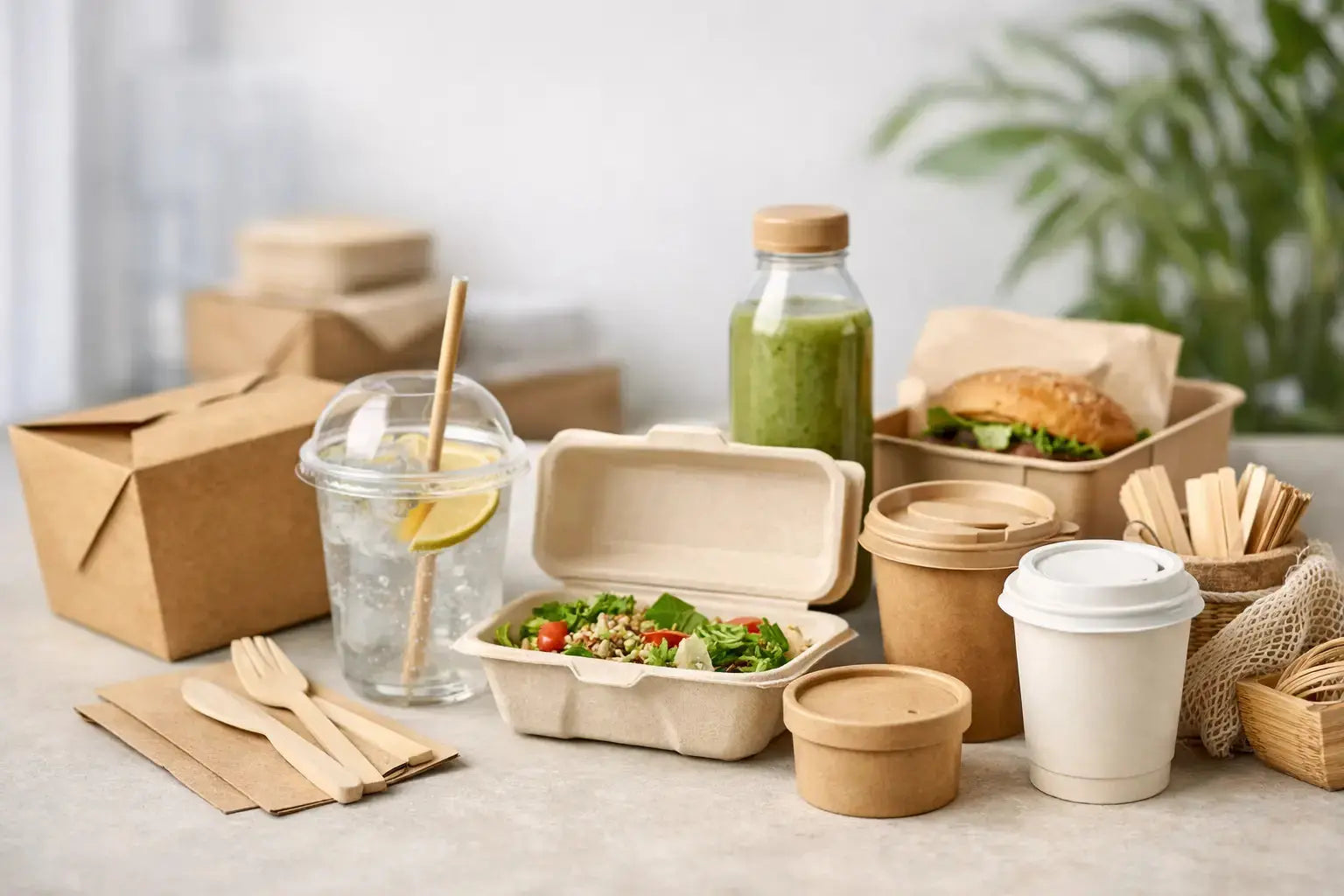
A takeout box now does more than carry food from the kitchen to the customer. It has to protect temperature, resist leaks, present the brand well, and show that the restaurant is making smarter material choices. That is why trends in sustainable packaging for restaurants are moving beyond simple paper-vs-plastic debates and toward packaging systems that balance performance, branding, and cost.
For restaurant operators, procurement teams, and brand managers, the shift is practical. Customers notice packaging. Delivery platforms put extra pressure on durability. Local requirements around waste and single-use materials continue to evolve. At the same time, every packaging decision affects margins. The right move is rarely the cheapest item on a unit-cost sheet. It is the option that works operationally, supports the brand, and reduces waste without creating service issues.
Why trends in sustainable packaging for restaurants are changing fast
Restaurants are under pressure from several directions at once. Delivery and takeaway volumes remain high, so packaging is no longer secondary to dine-in presentation. Brand image also matters more because packaging often becomes the main physical touchpoint after the food leaves the store. If the cup sweats, the lid pops, or the sauce container leaks, the customer remembers.
Sustainability adds another layer. Buyers are asking better questions now. They want to know whether a package is recyclable, compostable, reusable, or simply lighter and less wasteful than before. Those are not the same thing. A fiber bowl may sound ideal, but if it needs a plastic lining that complicates disposal, the choice needs closer review. The market is becoming more informed, and restaurants need packaging partners who can explain materials clearly and help align packaging with actual use.
1. Fiber-based materials are replacing some plastic formats
One of the clearest shifts is toward molded fiber, kraft paperboard, bagasse, and other plant-based formats for bowls, trays, sleeves, and takeaway boxes. These materials are appealing because they communicate a lower-plastic profile and often fit a more natural, premium brand image.
That said, the best use case depends on the menu. Dry foods, bakery items, wraps, and many quick-service meals can work well in fiber-based packaging. Oily, high-moisture, or long-haul delivery items may need coatings or hybrid structures to perform properly. Restaurants should evaluate not just the base material, but also grease resistance, stacking strength, and lid fit. A sustainable material that fails during delivery creates food waste, replacements, and customer complaints - none of which support the bigger goal.
2. Minimal packaging is becoming a smarter sustainability move
Some of the strongest packaging improvements come from using less material, not just different material. Restaurants are reducing unnecessary outer wraps, oversized bags, duplicate containers, and excessive inserts. This approach lowers material use and often improves packing speed.
Minimal packaging works best when it is planned around the menu. Portion sizes, item combinations, and delivery conditions should shape the packaging architecture. A restaurant that standardizes a small set of high-performing sizes can reduce overpacking and simplify inventory control. This is where commercial packaging decisions matter. The goal is not to strip packaging down so far that food quality suffers. The goal is to remove what is not needed while keeping the structure customers rely on.
3. Clear disposal messaging is now part of the packaging design
Many restaurants have switched materials but still leave customers guessing about what to do next. Is the cup recyclable? Can the food-stained box go into regular recycling? Does the compostable cutlery require industrial composting? Without clear guidance, even better materials can end up in the wrong waste stream.
That is why printed disposal instructions are becoming more common. Simple icons, short text, and consistent labeling help customers dispose of packaging correctly. This is also a branding opportunity. Well-designed labels and printed messaging show that the business has thought through the customer experience, not just the purchase order.
For multi-location brands and growing restaurant groups, consistency matters. Packaging should carry the same disposal guidance across formats, whether it is a salad bowl, coffee cup, sauce label, or delivery bag sticker. Clean execution builds trust.
4. Custom branding is shifting toward low-ink, high-impact design
Sustainable packaging does not have to look plain. What is changing is how brands apply graphics. Many restaurants are moving toward simpler one-color or two-color prints, selective coverage, and smart use of natural substrate color rather than heavy full-surface printing. This reduces ink usage while creating a more refined look.
There is a commercial benefit here too. Cleaner designs often print more efficiently and give restaurants flexibility across multiple packaging formats. A strong logo placement, well-sized label, or branded sticker can sometimes do more for recognition than a fully printed box with too much visual noise.
For restaurants that want custom packaging, print quality still matters. If the material is premium but the branding is inconsistent, the customer sees a disconnect. Reliable production, accurate color control, and material compatibility are essential, especially when packaging is part of a wider brand system that includes labels, signage, menus, uniforms, and promotional items.
5. Reusable models are gaining interest in selected segments
Not every restaurant can adopt reusable packaging at scale, but the idea is growing in corporate dining, campus settings, premium meal programs, and closed-loop environments. In these models, containers are returned, cleaned, and reused rather than discarded after one use.
This is one of the more complex trends in sustainable packaging for restaurants because it requires operations to support it. Return logistics, hygiene procedures, loss rates, and customer participation all affect whether the model works. For a high-volume quick-service outlet with third-party delivery, reusable packaging may be impractical. For a business cafeteria or office meal service, it may be worth testing.
The lesson is straightforward: sustainability claims should match operational reality. Reusable packaging can be effective, but only where the system around it is reliable.
6. Compliance and procurement are influencing material choices
Packaging decisions used to sit mostly with operations and brand teams. Now procurement, compliance, and supplier reliability play a larger role. Restaurants want materials that meet current requirements, arrive on schedule, and stay consistent from batch to batch.
This is especially relevant for businesses managing multiple locations or seasonal promotions. A packaging format may look right on paper, but if lead times are unstable or customization options are limited, it can disrupt launches and daily service. Restaurants increasingly want suppliers who can handle custom printing, labels, sleeves, cartons, stickers, and supporting branded materials in a coordinated way.
The practical trend here is consolidation. Buyers prefer fewer vendors, clearer specifications, and better visibility on what each material is designed to do. That helps avoid mismatches such as cold-drink labels failing under condensation or food packaging graphics rubbing off during transport.
7. Performance testing matters more than sustainability claims
The market is full of broad environmental language, but restaurant buyers are becoming more disciplined. They want to know how a package performs in the real world. Can it hold heat for 20 minutes in delivery? Does it resist oil? Can it handle stacking in a busy dispatch area? Will the label stay in place inside a chilled environment?
This focus is healthy. It keeps sustainability tied to execution. A package that looks eco-friendly but fails in use often leads to double-packaging, remakes, or product loss. That increases cost and waste. The smarter approach is to test packaging against actual menu items and service conditions before rolling it out across locations.
For that reason, more restaurants are asking for samples, short-run branded trials, and material comparisons before committing to volume. This is a practical way to make better decisions. It reduces risk and gives marketing, operations, and procurement a shared basis for approval.
What restaurants should prioritize next
The best packaging choice depends on cuisine, service model, delivery distance, and brand position. A coffee concept has different needs from a burger chain or a premium salad brand. Still, a few priorities are becoming consistent across the market.
First, choose materials based on food performance, not just category labels. Second, reduce unnecessary packaging where possible. Third, make disposal guidance visible. Fourth, keep branding clean and consistent across every touchpoint. Finally, work with suppliers that can support both customization and dependable execution.
For restaurant brands that are updating takeaway packaging, this is a good time to review the full system rather than one item at a time. Cups, boxes, labels, sleeves, bags, and stickers all shape the customer experience together. Businesses across Dubai and the UAE are increasingly treating packaging as a brand asset, not just an operating expense, and that shift is driving better decisions.
The next packaging upgrade should not start with a trend report alone. It should start with your menu, your service model, and the experience you want customers to remember. If the packaging supports all three, it is doing its job well.