
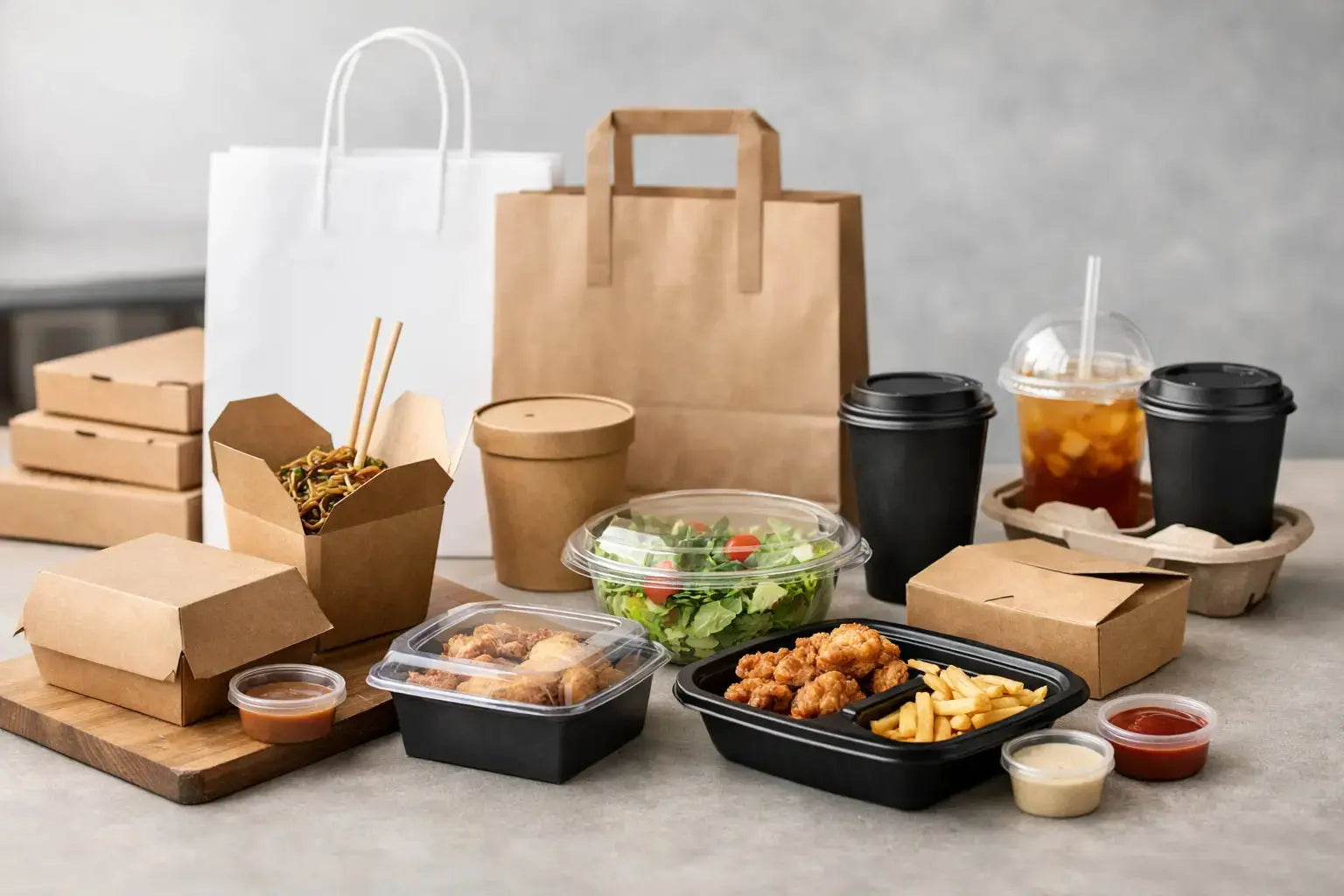
A soggy burger box, a leaking sauce cup, or a plain bag with no branding can undo a great meal in ten minutes. The best packaging ideas for takeaway restaurants are not only about appearance - they protect food quality, support smoother delivery, and help customers remember your brand after the order is finished.
For restaurant owners, procurement teams, and food business operators, packaging is now part of operations, marketing, and customer retention. It has to travel well, fit the menu, carry branding clearly, and stay practical for busy service hours. Good packaging reduces complaints. Better packaging can also improve repeat orders.
What makes the best packaging ideas for takeaway restaurants work
The right packaging does three jobs at once. First, it protects the food from heat loss, spills, crushing, or condensation. Second, it supports presentation, because customers still judge quality by what arrives at the door or counter. Third, it reinforces brand consistency through printed elements such as logos, labels, sleeves, stickers, and carry bags.
The best choice depends on your menu. A pizza concept, a premium salad brand, and a busy shawarma shop will not need the same format. Hot food needs ventilation and heat retention. Cold items need structure and visibility. Saucy dishes need secure lids and leak resistance. If your packaging looks excellent but slows down packing during rush hours, it may not be the right solution.
1. Branded paper bags that carry more than food
A well-made takeaway bag is often the first thing customers see and the last thing they hold. It matters more than many restaurants think. Strong paper bags with reinforced handles create a cleaner, more reliable customer experience, especially for delivery and multi-item orders.
From a branding standpoint, custom-printed bags give your restaurant visibility beyond the meal itself. A clear logo, consistent brand color, and readable design can make even simple packaging feel more premium. For cafes, dessert brands, and casual dining restaurants, this is one of the most practical upgrades because it combines function and brand exposure without changing the food containers inside.
2. Food boxes designed for the menu, not just the shelf
Many operators choose standard boxes because they are easy to source, but menu-fit packaging usually performs better. Burger clamshells, meal boxes with compartments, noodle boxes, and folded cartons all solve different service issues.
Compartment boxes work well when you need to separate mains, sides, and sauces to preserve texture. Folded paperboard boxes are useful for dry or semi-dry foods where presentation matters. For restaurants with varied takeaway menus, it often makes sense to standardize a few key sizes rather than use one box for every item. That keeps packing faster and helps control storage space.
3. Tamper-evident labels for trust and order control
Tamper-evident packaging has moved from a nice extra to a practical requirement for many food businesses. A printed seal label across a bag fold, box edge, or drink lid offers visible reassurance that the order was packed correctly and remained closed in transit.
This also supports operations. Restaurants can use branded labels to identify order numbers, delivery platforms, item notes, or meal types while keeping a polished appearance. For multi-branch businesses or high-volume kitchens, labels help reduce confusion and add consistency across teams.
4. Cup sleeves, drink seals, and holders that reduce spillage
Beverage packaging is often treated as secondary, yet drinks are one of the easiest places for delivery issues to happen. A loose lid, thin cup, or unstable holder can turn a simple order into a refund request.
Custom cup sleeves improve grip and provide another branding surface without requiring a fully printed cup for every order. Drink sealing stickers or lid labels add security, especially for cold beverages and coffee. If your restaurant frequently sells multiple drinks per order, sturdy drink carriers are worth including in your packaging plan rather than treating them as an afterthought.
5. Grease-resistant wraps and liners for fast-moving items
For sandwiches, wraps, pastries, fries, and bakery items, grease-resistant paper is one of the most effective packaging tools. It keeps hands cleaner, protects outer bags and boxes, and makes food easier to handle.
Branded wraps and liners also improve presentation inside the package. Even a simple tray liner or printed wrap sheet can make quick-service food feel more intentional. This is especially useful for brands that rely on social sharing, because the inside of the package becomes part of the customer experience.
6. Sauce containers that actually travel well
Sauces, dips, and dressings create more delivery complaints than many main dishes. If lids pop off or containers crack under pressure, the problem spreads to the rest of the order. Choosing secure sauce cups with reliable lid fit is a small packaging decision that protects the full meal.
This is also where portion control and efficiency matter. Standardizing sauce container sizes helps kitchen teams pack faster and manage inventory more accurately. Adding branded stickers or printed labels keeps even small add-ons aligned with your overall packaging presentation.
7. Window packaging for cold meals and retail-ready items
Clear window boxes work particularly well for salads, baked goods, sandwiches, and grab-and-go items. They allow customers to see freshness and product quality immediately, which can increase confidence at the point of sale.
This format is useful when visual appeal is part of the product. It may not suit every hot meal, since visibility sometimes comes at the cost of insulation, but for chilled and display-led items, it performs well. If your restaurant also sells packaged desserts or ready-to-go lunch items, window packaging can support both takeaway and shelf presentation.
8. Premium finishing for restaurants that sell on presentation
Not every takeaway brand needs premium packaging, but some concepts benefit from it directly. If you operate in gourmet dining, artisan desserts, premium coffee, or corporate catering, details such as thicker stock, matte finishes, foil accents, embossed logos, or custom sleeves can strengthen brand positioning.
The key is balance. Premium packaging should still work at service speed and remain practical for transport. A high-end box that collapses under weight or takes too long to assemble creates operational friction. Better results usually come from selective upgrades - for example, a premium outer sleeve, branded sticker seal, or well-printed rigid-feel carton rather than overcomplicating every component.
9. Eco-conscious packaging that still fits business needs
Many restaurants want packaging that reflects environmental responsibility, but the choice has to match real service conditions. Paper-based formats, recyclable materials, and reduced excess packaging can all support that goal, provided they still protect the food properly.
Customers notice waste, but they also notice damaged meals. That is the trade-off. The better approach is to reduce unnecessary layers, choose materials suited to the product, and communicate your packaging choices clearly through print or labeling. For many restaurants, thoughtful simplification works better than chasing every trend.
10. Custom stickers and labels that tie the whole system together
Some of the best packaging upgrades are also the easiest to implement. Custom stickers and labels can unify standard stock packaging across boxes, cups, wraps, bags, and containers without requiring every item to be fully custom manufactured.
This is a practical option for growing restaurants, seasonal promotions, limited-time menus, and multi-location brands. Labels can carry the logo, flavor names, prep instructions, reheating notes, QR-based loyalty prompts, or allergy information while keeping the package organized and professional. For businesses that need speed and flexibility, this approach often offers strong value.
How to choose the best packaging ideas for takeaway restaurants
Start with the menu, not the catalog. Review your top-selling items, average order size, delivery distances, and most common customer complaints. If fries arrive soft, focus on ventilation. If drinks spill, improve sealing and holders. If orders look generic, prioritize printed bags, stickers, or sleeves.
Then look at operational fit. Packaging should stack well, store efficiently, and work during peak service. A restaurant may love the appearance of a certain box, but if staff struggle to fold it quickly, the real cost is higher than it appears.
Branding should be intentional rather than excessive. You do not need to print every surface to create a strong branded impression. A coordinated system of bags, labels, wraps, and select custom containers often delivers a cleaner result. For businesses managing multiple packaging items, working with one reliable supplier can also make ordering, consistency, and reprints easier to control.
Restaurants in competitive markets such as Dubai often use packaging as a visible part of brand experience, especially when delivery and takeaway are a major revenue stream. That makes quality execution just as important as design.
Good packaging should make service easier, food more dependable, and your brand more recognizable the moment the order reaches the customer. If your current setup is doing only one of those jobs, it may be time to upgrade with a system that works harder for the business. Get a quote today and build packaging that supports every order from kitchen to customer.