
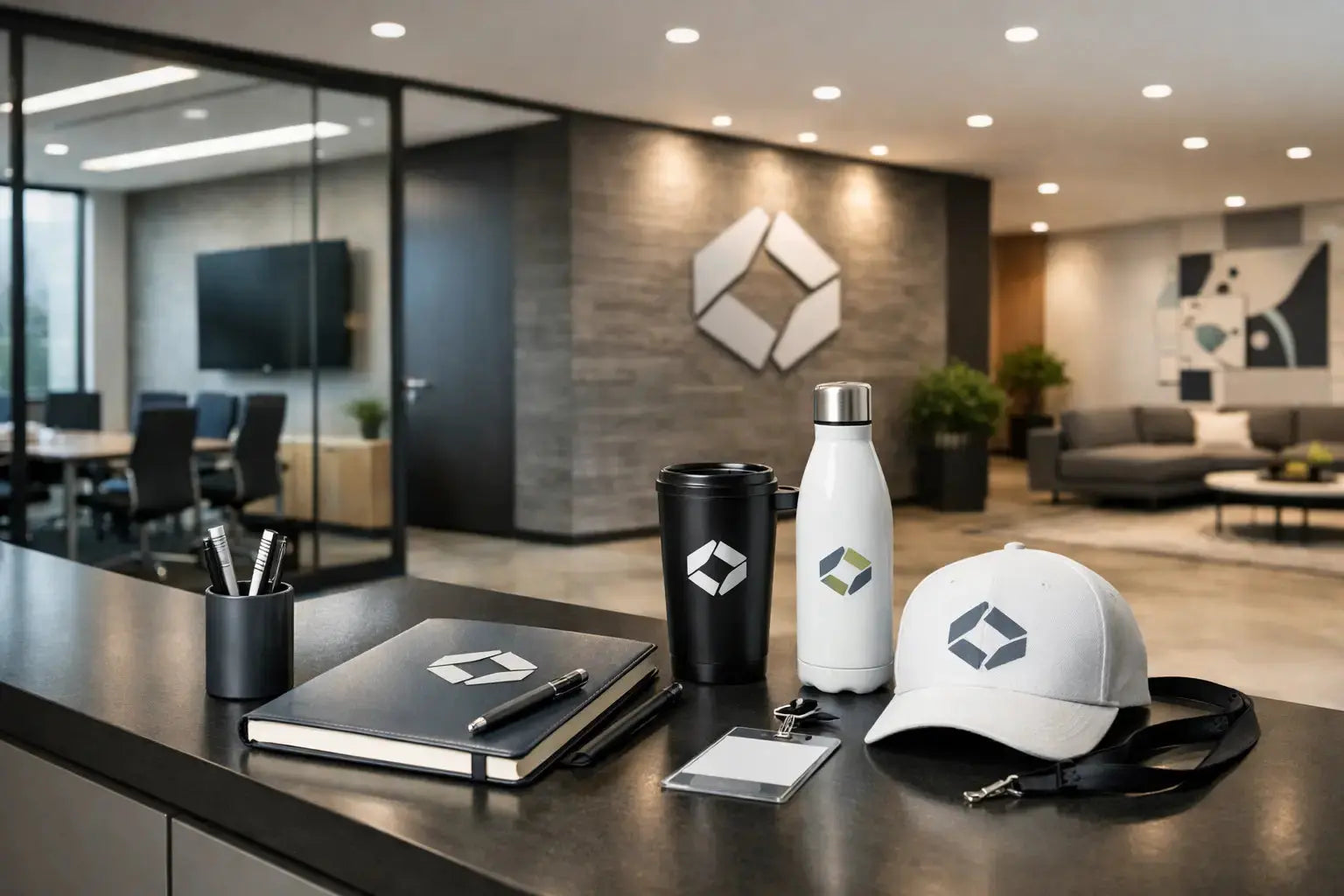
A client walks into your office and forms an opinion before the meeting starts. The reception wall, the meeting room glass, the wayfinding signs, even the quality of the printed graphics all signal how your business operates. That is why the best office branding ideas are not just decorative choices. They shape trust, reinforce consistency, and help your space work harder for your brand.
For growing companies, the goal is not to put a logo on every surface. Strong office branding creates a clear experience for visitors, employees, and partners while staying functional for daily use. The right approach depends on your space, your industry, and how customers interact with your workplace.
What makes office branding effective
Effective office branding starts with purpose. A reception area needs to make a sharp first impression. A sales floor may need motivation and energy. A corporate office may need a more restrained, premium look that supports client meetings without feeling busy.
The strongest branding programs balance visibility with restraint. If every wall carries a message, nothing stands out. If the office is too neutral, the brand disappears. Good branding uses selected touchpoints to communicate identity, improve navigation, and create a more polished environment.
Materials matter just as much as visuals. A concept may look good on screen but fail in a real office if glare, wall texture, installation constraints, or durability are ignored. For that reason, branding decisions should always consider finish, placement, maintenance, and the traffic level of each area.
12 best office branding ideas for a stronger workplace
1. Create a branded reception wall
If you invest in only one area, start here. A reception wall is often the first branded element visitors see, and it sets the tone immediately. Acrylic lettering, raised logos, metal finishes, and backlit signage all create different impressions. The right option depends on whether your brand should feel corporate, creative, premium, or highly modern.
Keep the design clean. A cluttered reception backdrop weakens impact. One strong logo application, supported by the right material and scale, usually performs better than adding too many messages.
2. Use glass branding in meeting rooms and partitions
Glass graphics are practical and brand-building at the same time. Frosted films improve privacy, while printed or cut vinyl can bring in logo patterns, department identifiers, or subtle brand motifs. This works especially well in offices with multiple cabins, conference rooms, and collaborative spaces.
The trade-off is visibility. Full frosting provides stronger privacy but can make a space feel closed. Partial bands or patterned applications keep the office lighter and more open. The right balance depends on how confidential those spaces need to be.
3. Add wayfinding that looks like part of the brand
Directional signs are often treated as a separate facility task, but they should feel connected to the overall brand system. Room names, floor identifiers, department signs, and directional markers can all carry your brand colors, typography, and material language.
This is especially useful for larger offices, shared commercial spaces, and customer-facing environments. Good wayfinding reduces confusion, improves visitor flow, and makes the office feel more organized. It also signals attention to detail, which matters in client-facing businesses.
4. Turn empty walls into message walls
Not every wall needs a logo. Some of the best office branding ideas use walls to communicate company values, milestones, service capabilities, or mission statements in a more engaging way. This approach gives employees and visitors context about what your business does and what it stands for.
The key is relevance. Generic motivational lines rarely add value. A better option is to use real brand language, company achievements, service categories, or a clear visual story that supports your commercial identity.
5. Brand your meeting rooms with purpose
Meeting rooms are high-value branding spaces because they are seen by both staff and visitors. You can use room names, wall graphics, printed manifestation on glass, or presentation-ready branded backdrops. The most effective designs support the room's function instead of competing with it.
For example, if your team hosts frequent presentations or client reviews, keep one main wall clean and camera-friendly. If the room is mainly internal, you can use larger graphics or more expressive visual elements.
6. Use floor and directional graphics where traffic supports them
Floor branding is not right for every office, but in showrooms, creative workspaces, event-linked offices, and larger corporate environments, it can work well. It helps guide movement, identify zones, or reinforce campaign messaging in a subtle way.
Durability is the deciding factor here. Floor graphics need materials suited to foot traffic and cleaning routines. If maintenance is likely to be inconsistent, wall-based branding may be the better long-term choice.
7. Install branded wall murals in key zones
Large-format wall murals can transform plain office interiors quickly. They work well in break areas, corridors, open-plan spaces, and creative departments. A mural might feature brand imagery, city-based visuals, product storytelling, or abstract graphics built from your brand palette.
Murals are most effective when scaled properly. A detailed design that looks strong in a mockup may feel crowded on a long hallway wall. Simpler compositions often deliver a cleaner, more premium result.
8. Keep workstation branding subtle
Desk areas benefit from branding, but overdoing it can reduce comfort for employees. Small branded elements such as desk dividers, department markers, color-coded zones, or branded notice boards usually work better than heavy wall messaging at every workstation.
This is where it depends on company culture. A creative agency may want more visible visual identity across work zones. A finance, legal, or consulting office may prefer a quieter environment with branding focused on precision and consistency rather than visual intensity.
9. Include branded safety and compliance signage
Mandatory signage does not have to feel disconnected from the rest of the office. Exit markers, safety notices, restricted-area labels, and operational signs can be designed to stay compliant while still aligning with your visual standards.
This is a small detail, but it improves the overall finish of the workplace. When utility signs match the broader environment, the office feels more intentional and professionally managed.
10. Use branded displays for flexible spaces
Some offices need branding that can move with changing layouts. Portable displays, roll-up banners, modular backdrops, tabletop signs, and freestanding panels are useful in training rooms, event spaces, temporary activations, and shared office areas.
The commercial advantage is flexibility. You can refresh a campaign, support a visitor event, or brand a temporary setup without changing permanent fixtures. This is often the right option for companies that host internal launches, partner meetings, or seasonal promotions.
11. Connect office branding with printed materials
Office branding works best when it matches the printed materials people see in the same space. Reception brochures, company profiles, presentation folders, catalogs, notepads, door labels, and tabletop signs should all feel like part of one system.
This consistency matters more than many businesses realize. A premium reception sign loses effect if supporting print items feel mismatched or outdated. When physical branding and printed collateral align, the brand feels more established and better organized.
12. Extend branding to uniforms and internal touchpoints
For customer-facing offices, branded uniforms and internal use items can support a more complete experience. Staff apparel, visitor badges, lanyards, packaging samples, branded stationery, and presentation accessories all contribute to how the workplace is perceived.
This should be handled carefully. Not every office needs every item branded. Focus on touchpoints that people actually see and use. The objective is consistency, not saturation.
How to choose the best office branding ideas for your space
Start with three questions. Who uses the space, what impression should it create, and which areas matter most? An office that receives frequent client visits should prioritize reception branding, meeting rooms, and wayfinding. A staff-focused operations office may get better value from internal wall graphics, department signage, and functional branding elements.
Budget should be planned by zone, not just by total spend. A high-impact reception wall and well-finished meeting room graphics often deliver more value than spreading smaller branding elements across every area. Prioritization usually produces a stronger final result.
You should also think about installation conditions. Wall texture, existing finishes, lighting, glass coverage, and access times all affect the right production method. In active offices, branded elements need to be installed efficiently and specified correctly so they hold up over time.
Best office branding ideas that support business outcomes
The most useful office branding does more than make the space look better. It helps visitors understand your business, gives employees a stronger sense of place, and supports smoother movement through the office. It can also improve presentation quality during meetings, internal events, and client visits.
For companies in Dubai and across the UAE, office branding often needs to reflect both speed and polish. Businesses move quickly, offices host multiple stakeholders, and first impressions matter. That makes execution just as important as design. Good concepts need clean production, accurate sizing, quality materials, and reliable installation.
If you are planning a new office setup or refreshing an existing one, it helps to think in layers. Start with the core identity points such as reception signage and meeting rooms. Then build outward into wayfinding, wall graphics, print materials, and flexible display elements. Printava supports businesses that need that process handled professionally, with practical recommendations based on space, use case, and finish.
The right office branding should make your space easier to understand and harder to forget. If a client leaves your office with a clearer sense of who you are and your team feels represented by the environment, the branding is doing its job. Get a quote today and plan your office branding around the spaces that matter most.