
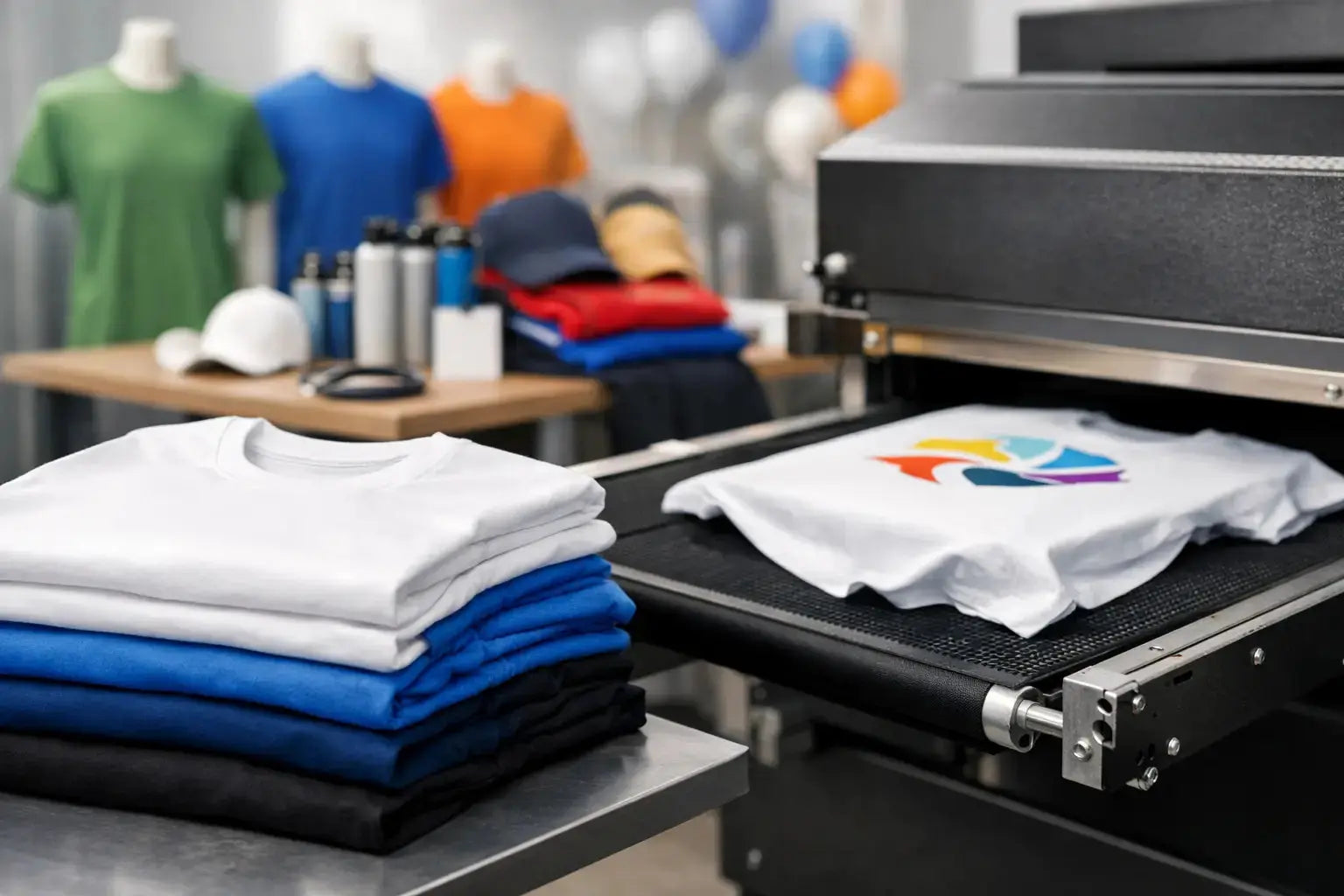
When event shirts arrive late, fit poorly, or look inconsistent, the problem shows immediately. Bulk t shirt printing for events is not just a merchandise task - it affects staff visibility, sponsor presentation, team coordination, and the overall professionalism of your event.
For companies planning trade shows, activations, conferences, school programs, charity runs, retail launches, or internal campaigns, event apparel needs to do more than carry a logo. It has to hold up through long hours, look consistent across sizes, and support the purpose of the event. That is why the best printing decisions usually happen before artwork is approved, not after.
What bulk t shirt printing for events needs to achieve
Event t-shirts serve different roles depending on the setting. A staff shirt needs instant visibility. A promotional giveaway shirt needs broad size appeal and comfortable fabric. A VIP or sponsor shirt may need a more polished finish. When buyers treat all event shirts the same, they often end up with the wrong material, the wrong print method, or a design that works on screen but not on fabric.
The first practical question is simple: who will wear the shirt, and for how long? A one-day outdoor event has very different requirements than a three-day exhibition or a corporate wellness campaign. Heat, movement, lighting, and repeated washing all matter. If the event is customer-facing, presentation matters even more because every shirt becomes part of the brand environment.
This is where procurement teams and event managers benefit from a clear specification process. Instead of starting with color alone, start with use case, quantity, sizing mix, logo placement, and deadline. That gives your printer enough information to recommend the right path rather than forcing a generic solution onto a specific event.
Choosing the right shirt before you print
A good print can still underperform on the wrong garment. Fabric weight, cut, and construction affect both appearance and comfort. For high-energy outdoor events, lighter breathable cotton or cotton-blend options are often easier for teams to wear all day. For exhibitions or premium brand launches, a more structured shirt can create a cleaner silhouette and a better presentation on the floor.
Color selection also needs planning. Dark shirts can look strong and premium, but certain artwork may require additional print layers to maintain brightness and clarity. Light shirts often make artwork easier to reproduce, especially for colorful logos, but they may not suit every event environment. If your team will be moving across a crowded venue, contrast matters. Visibility is not only a design issue - it is an operational one.
Sizing is another area where bulk orders can go wrong quietly. Ordering a narrow range may seem efficient, but events rarely run smoothly when staff members are left with poor-fitting apparel. A balanced size breakdown, based on real team data where possible, avoids waste and improves wearability. If the shirts are intended for public distribution, a broader size mix is usually the safer choice.
Print methods and when each one makes sense
Not every design should be printed the same way. The right method depends on quantity, artwork style, garment type, and how the shirt will be used.
Screen printing is often the strongest fit for larger runs when the design uses solid colors and needs consistency across many shirts. It is a practical choice for staff uniforms, campaign shirts, and event merchandise where repeatability matters. The finish is clean, durable, and efficient for volume.
Heat transfer can work well for shorter runs, variable names, or event-specific customization. If a team needs role-based labeling such as crew, organizer, or security, this approach may offer more flexibility. It depends on artwork complexity and the intended finish, but for segmented event needs, it can be useful.
DTF and other fabric transfer methods may suit full-color artwork or designs with more detail. These methods can help when logos include gradients, multiple colors, or intricate elements that would be less practical in standard screen setups. The trade-off is that artwork, quantity, and garment selection need to be reviewed carefully to make sure the result aligns with the event standard.
A reliable supplier should not push one method for every order. The right recommendation should come from the brief: quantity, lead time, design, fabric, and expected wear.
Design decisions that improve event results
Event shirts often fail not because the print quality is poor, but because the design is doing too much or too little. A chest logo may be enough for a conference support team, but it may not be visible from a distance in a busy venue. A large back print can improve identification, especially for logistics staff or brand ambassadors, but too much coverage can affect comfort on heavier prints.
Placement should match function. Front-left chest branding works well for a professional branded look. Full-front prints can carry campaign messages for promotional use. Back prints are effective for team identification, hashtags, sponsor names, or directional roles. Sleeve branding can add a premium detail, but it should support the overall layout, not compete with it.
Artwork should also be prepared for production, not just presentation. Thin lines, low-contrast colors, and oversized graphics can become problems once they move from digital mockup to fabric. Event apparel performs better when the design is simplified for readability and scaled correctly across shirt sizes.
Timeline planning matters more than most buyers expect
In bulk event production, speed matters, but accuracy matters first. The smoothest orders usually begin with a clear approval chain: garment choice, quantity breakdown, print method, artwork approval, and delivery date. Delays often happen when one of those pieces stays open too long.
If your event includes sponsors, multiple departments, or regional teams, approvals can take longer than expected. That affects production windows, especially for larger quantities or custom garment sourcing. Building in time for final artwork review and quantity confirmation helps avoid rushed corrections later.
For event organizers managing multiple branded items at once, it also makes sense to align apparel with the wider visual system. Shirts should not feel disconnected from your booth graphics, signage, packaging, lanyards, or giveaway items. Consistency across printed materials makes the event look planned rather than assembled at the last minute.
Ordering bulk t shirt printing for events with fewer risks
The safest way to place an order is with a brief that answers the questions your printer would otherwise need to chase. Include the event type, who will wear the shirts, quantity per size, preferred shirt color, print locations, artwork files, and required delivery date. If there are brand guidelines, include those from the start.
It is also worth identifying what matters most for this specific order. Some buyers prioritize durability because the shirts will be reused. Others care most about visual impact because the event is short but high profile. Some need multiple versions for staff, guests, and sponsors. Clear priorities make better production decisions possible.
For businesses handling events across Dubai and the wider UAE, working with one supplier that can manage printing alongside other event materials can reduce coordination gaps. Printava supports branded apparel and related event production with a practical, execution-focused process, which is often more useful than managing separate vendors under a tight deadline.
When premium shirts are worth it, and when standard options are enough
Not every event needs the most premium garment in the catalog. For large public distribution, a dependable standard shirt may be the smarter commercial choice if the goal is reach, visibility, and budget control. For executive events, media-facing launches, or premium hospitality settings, a higher-grade shirt can strengthen presentation and improve how the brand is perceived in person.
That decision should be made based on audience and use, not assumption. A standard tee with the right fit, color, and print can outperform a more expensive option that does not suit the environment. The best result usually comes from matching the garment level to the event role.
Bulk apparel is one of the most visible printed assets at any event. When the shirts fit well, print cleanly, and arrive organized for distribution, they do more than complete the checklist - they help your team look ready the moment the event starts. If you are planning your next rollout, get the quote early, confirm the brief properly, and make the shirt work as hard as the rest of your event branding.