
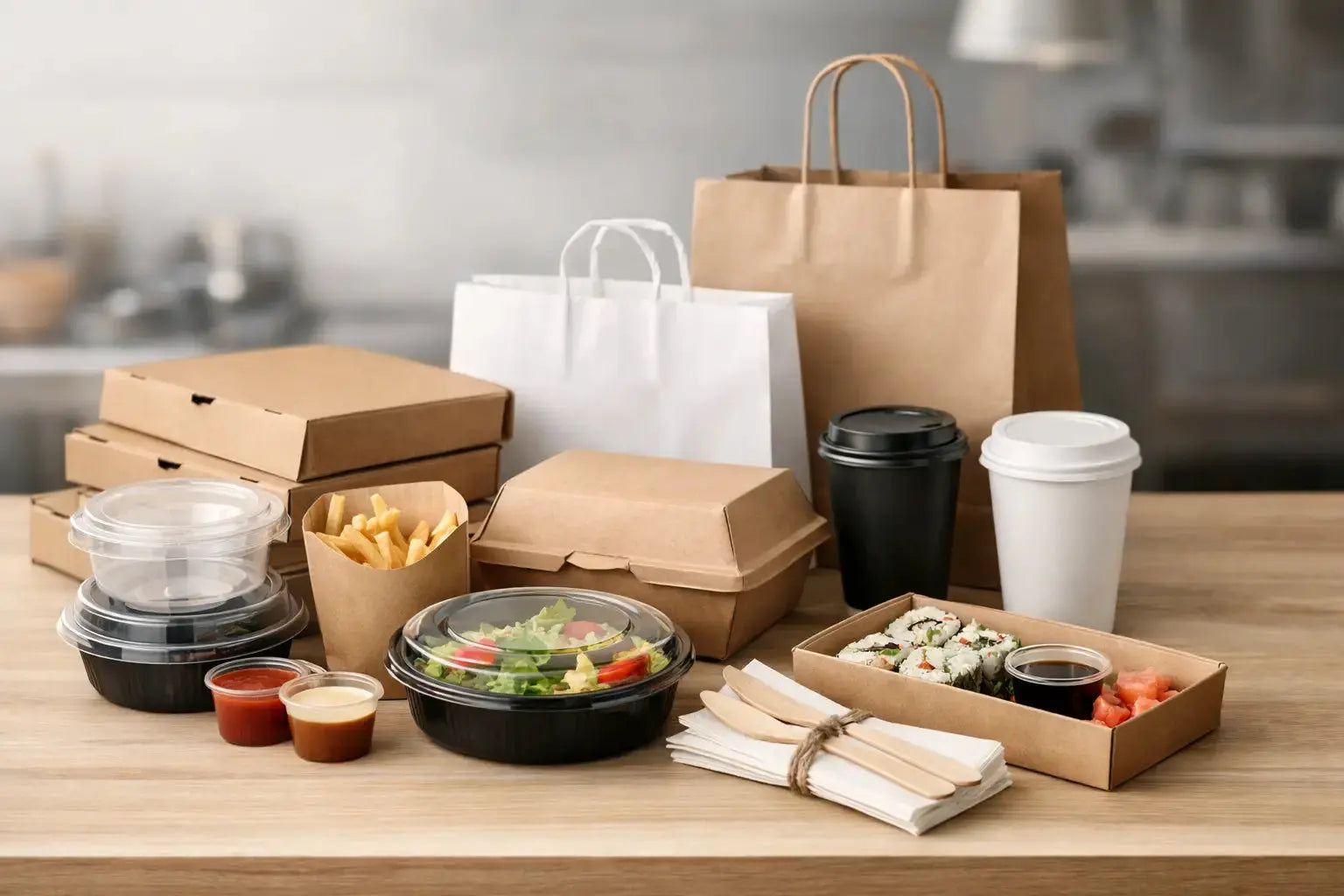
A rush of delivery orders can expose packaging problems faster than almost anything else. Lids stop fitting, sauces leak, printed branding looks inconsistent, and staff waste time matching the wrong containers to the wrong menu items. If you are figuring out how to order restaurant packaging, the goal is not just to buy boxes and cups. It is to build a packaging system that protects food, supports speed of service, and presents your brand properly every time.
For restaurant owners, operations teams, and procurement managers, good ordering starts well before you request a quote. The strongest results come from knowing what you serve, how it travels, what needs branding, and where standard stock makes more sense than fully custom production. That is where costs, quality, and turnaround become easier to manage.
How to order restaurant packaging without costly mistakes
The first step is to order based on real use, not assumptions. Many restaurants start with a general idea like burger boxes, paper cups, takeaway bags, and sauce containers. That is too broad. Packaging works best when it is matched to exact menu categories, portion sizes, and delivery conditions.
A rice bowl eaten in-house has different requirements than a rice bowl sent 25 minutes away by a delivery rider. Fried items need ventilation considerations. Saucy dishes need tighter closure. Cold drinks need cup sizes, lid styles, and carry options that suit your service model. Before placing any order, map your menu into practical packaging groups and identify which items can share the same format.
This simple step usually improves two things at once. It reduces over-ordering across too many SKUs, and it helps staff pack orders faster because the packaging selection becomes more standardized.
Start with your menu and service model
Look at how customers actually buy from you. If most of your sales are delivery and takeaway, durability matters more than shelf presentation. If you run a premium dine-in concept with occasional takeaway, branded packaging may be more focused on bags, cup sleeves, dessert boxes, or special presentation items.
Think through a few key questions. Are your best-selling items hot, cold, greasy, liquid-based, or fragile? Do they need compartment trays? Will they travel stacked? Will they be carried by hand, packed in larger delivery bags, or handed over at a pickup counter? These details shape the packaging you should order far more than a generic category label.
Measure what you need, not what looks close enough
Sizing errors create waste quickly. A container that is slightly too large can make portions look smaller and increase movement during transport. One that is too small can damage presentation, affect lid closure, or create spills.
Use actual product measurements and serving weights. Test sample sizes with your real menu items before confirming volume orders. This matters for bowls, cups, trays, sleeves, cartons, labels, and outer bags. If your team uses multiple portion sizes, keep the range tight and practical. Too many variations complicate inventory and slow packing during busy periods.
Choose materials based on food performance
Material choice should be driven by function first, branding second. A package can look excellent in a catalog and still fail in service if it cannot handle heat, moisture, oil, or transit time.
Paper-based packaging is often suitable for dry foods, bakery products, wraps, and some takeaway applications. Plastic options can be useful where visibility, secure closure, or liquid resistance are priorities. Foil-lined or heavier-duty formats may suit heat retention and oily foods better. For beverages, cup wall type, lid fit, and condensation performance all matter.
There is rarely one perfect material for every item on the menu. The better approach is to narrow your packaging to a manageable set of material choices based on real operational needs. That keeps procurement simpler while still protecting food quality.
Balance presentation, durability, and efficiency
This is where trade-offs matter. Premium packaging can strengthen brand perception, but if it slows packing, stores poorly, or raises your unit cost beyond what the menu supports, it may not be the right fit. On the other hand, choosing only the cheapest functional option can weaken customer experience, especially for branded takeaway and delivery.
The right balance depends on your restaurant model. Quick-service brands often prioritize speed, stackability, and consistency. Premium casual concepts may place more value on print finish, unboxing feel, and clean presentation. Neither approach is automatically better. The packaging should match your service promise.
Decide what to customize and what to keep standard
Not every packaging item needs custom printing. This is one of the most practical decisions in how to order restaurant packaging efficiently.
If you customize everything, you may increase lead times, minimum quantities, and complexity. If you customize nothing, you miss brand visibility in the very moment customers interact with your food. A smarter approach is to prioritize the items that carry the most brand value or customer visibility.
For many restaurants, the strongest branding candidates are takeaway bags, cups, sleeves, burger boxes, stickers, labels, and outer cartons. Standard inner containers can still work well where function matters more than appearance. Branded labels are especially useful because they can add identity, tamper support, and menu organization without requiring every container itself to be printed.
Prepare your branding files early
If you want printed packaging, get your logo files, brand colors, sizing requirements, and print placement approved before production starts. Delays often happen when artwork is not ready or when the print area has not been matched to the selected packaging dimensions.
Keep the design practical. Packaging is handled quickly, stacked, exposed to moisture, and seen from a short distance. Clean branding usually performs better than overcrowded artwork. Your supplier should be able to guide print methods, placement, and setup based on the item you choose.
How to order restaurant packaging from the right supplier
A reliable supplier should do more than send a price sheet. They should help you confirm specifications, explain suitable materials, flag quantity considerations, and keep the order process clear from approval to delivery.
Look for a supplier that can handle both standard and custom requirements, especially if your packaging needs will grow. Restaurants often start with a few core items, then add labels, bags, cups, wraps, stickers, and seasonal packaging later. Working with one responsive partner helps maintain consistency and reduces back-and-forth with multiple vendors.
Ask practical questions. What are the available sizes? Which items are stock versus custom-made? What are the branding options? What sample process is available? How should you forecast order quantities? What information is needed to quote accurately? Strong suppliers answer directly and help you avoid specification mistakes before they become production issues.
Share the right details when requesting a quote
The fastest way to get an accurate quotation is to provide complete information from the start. That usually includes item type, size, material preference, estimated quantity, branding requirements, artwork status, and delivery location. If you operate multiple branches, mention whether packaging must be distributed per branch or delivered centrally.
Photos of your current packaging or menu items can also help clarify what you need. If you are replacing an existing item, mention what is working and what is not. That saves time and often leads to better recommendations.
Plan ordering around stock flow, not emergencies
Last-minute packaging orders usually limit your options. You may have to accept substitute sizes, delay branded items, or split purchasing across suppliers. A better system is to order according to usage patterns and reorder points.
Track weekly consumption by item, especially for high-volume products like cups, bags, lids, boxes, and labels. Seasonality matters too. Promotions, holidays, and delivery spikes can increase packaging use quickly. Build enough lead time for custom items so you are not forced into rushed decisions.
For growing restaurant groups, packaging should be part of broader brand control. When branches use different sizes, inconsistent print versions, or unapproved substitutes, the customer experience starts to feel uneven. Standardizing approved packaging specifications helps protect both operations and brand presentation.
If you need support across multiple branded materials, a supplier such as Printava can also help streamline packaging, labels, stickers, and related printed items under one process, which makes coordination easier for busy teams.
The best restaurant packaging orders are rarely the most complicated. They are the ones built on clear menu logic, accurate sizing, suitable materials, smart branding choices, and a supplier who can execute cleanly. Get that foundation right, and every order after that becomes faster, easier, and more consistent. Get a quote today and start with the packaging your service actually needs.