
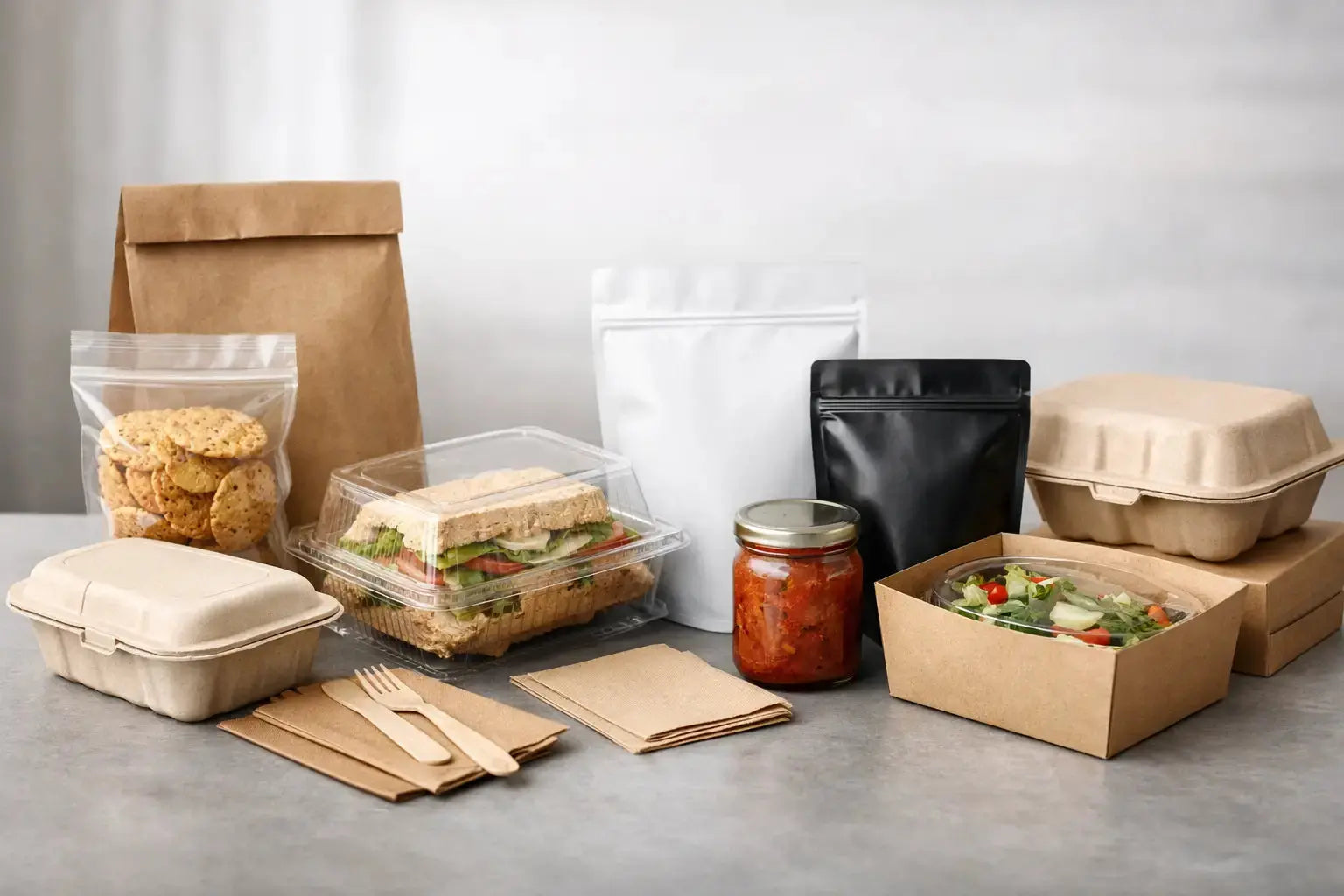
A hot meal that arrives soggy, a sauce cup that leaks in transit, or a bakery box that loses shape on the shelf can undo good product quality fast. Choosing the best food packaging materials is not just about appearance - it affects food safety, product protection, customer experience, and how your brand is remembered after the order is opened.
For restaurants, cafes, food retailers, and packaged goods brands, the right material depends on what you are packing, how long it will sit, how far it will travel, and what kind of presentation your business needs. A premium dessert brand has different packaging priorities than a quick-service restaurant handling daily delivery volume. That is why the best choice is usually not one material, but the right material for each product line.
How to evaluate the best food packaging materials
The first question is practical: what does the packaging need to do? Some products need moisture resistance. Others need grease control, insulation, tamper evidence, freezer durability, or shelf impact. If the packaging fails in any one of those areas, branding becomes secondary.
Cost matters too, but unit price should not be viewed in isolation. A cheaper pack that collapses, leaks, or prints poorly can create waste, complaints, and reordering issues. Procurement teams usually get better results by weighing total performance - protection, storage efficiency, print compatibility, and customer-facing quality - instead of looking only at the lowest price point.
Branding is another deciding factor. Some materials are excellent for sharp logo printing and color consistency, while others are better for simple labels or one-color applications. If your packaging also works as a brand touchpoint on shelves, in takeout bags, or at events, print finish and presentation should be part of the selection process from the start.
Best food packaging materials by application
Paperboard and cardboard
Paperboard is one of the most widely used options for dry food, bakery products, outer sleeves, takeaway boxes, and folding cartons. It is lightweight, easy to print, and works well when presentation matters. For retail-facing food brands, it also offers strong shelf visibility because it supports clean graphics and consistent branding.
Cardboard and corrugated board are better when more structure is needed. They are commonly used for pizza boxes, shipping cartons, meal kits, and bulk transport packaging. Their main advantage is strength. They hold shape better than lighter paperboard and protect products during stacking, handling, and delivery.
The trade-off is that basic paper-based materials are not always enough for oily, wet, or high-moisture foods unless they include a coating or lining. If your product contains sauce, steam, or grease, you need to confirm whether the board grade is suitable for direct contact and real-world transport conditions.
Plastic packaging
Plastic remains a practical choice for many food categories because it is versatile, lightweight, and strong. It is commonly used for containers, trays, cups, lids, bottles, wraps, and tamper-evident packs. For delis, supermarkets, fresh produce, ready meals, and cold beverages, plastic often delivers the balance of clarity, protection, and cost control that businesses need.
Different plastics perform differently. PET is valued for transparency and product visibility, which makes it useful for salads, desserts, and cold food displays. PP handles heat better, so it is often chosen for microwave-safe food containers. HDPE is common in bottles and rigid containers where durability matters.
Plastic is not a one-size-fits-all answer, though. If sustainability goals, premium visual positioning, or local disposal expectations are central to your packaging strategy, you may need to reduce plastic use or combine it carefully with other materials. The right specification depends on whether the priority is shelf life, product visibility, transit performance, or brand perception.
Aluminum and foil-based materials
When temperature retention, barrier protection, and grease resistance are critical, aluminum-based packaging is often one of the best food packaging materials available. It is widely used for takeaway trays, lids, wraps, and oven-ready packs. It helps preserve heat and provides a reliable barrier against light, oxygen, and moisture.
This makes it especially useful for prepared meals, grilled items, baked dishes, and catering formats. It also gives food operators a dependable option when they need packaging that performs consistently in transport and handling.
Its limitation is branding flexibility. Foil packs usually do not offer the same print surface as paperboard or labeled rigid containers. In many cases, businesses solve this by combining foil with branded outer sleeves, stickers, cartons, or carry bags.
Glass
Glass is typically used for sauces, jams, honey, beverages, pickled products, and premium specialty foods. It offers a strong barrier, a clean premium look, and good consumer trust for certain product categories. For brands selling gourmet or artisanal food, glass can support a higher-end presentation.
The downside is operational. Glass is heavier, more fragile, and more expensive to transport than most alternatives. It may be a strong fit for retail shelves, but a weak fit for high-volume delivery, event catering, or products that move through rough logistics channels.
Flexible films and laminates
Pouches, sachets, wraps, and multilayer films are widely used for snacks, frozen items, dry goods, condiments, and single-serve portions. Their biggest advantage is efficiency. They take up less storage space, reduce shipping volume, and can be designed with strong barrier properties.
For many packaged food businesses, flexible materials also support modern retail presentation. Stand-up pouches and branded film packs can look polished while keeping packaging weight low.
The key consideration is specification. Barrier needs vary a lot between coffee, spices, frozen foods, and snack products. A pouch that works for one product may be completely wrong for another if moisture, oxygen, or aroma protection is not properly matched.
Matching materials to your food category
The best packaging decision usually starts with the product, not the material trend. Dry bakery items often work well in paperboard boxes or paper bags, especially when appearance and easy branding matter. Oily fast food typically needs grease-resistant wraps, lined cartons, or foil-supported formats. Fresh salads and cold meals often benefit from clear plastic containers that show the product clearly while protecting it in display and delivery.
Frozen food needs durability at low temperatures and a barrier that supports storage life. Sauces, dressings, and liquid-based products need leak resistance and secure sealing above all else. Premium shelf products may justify glass or heavier rigid packaging if the visual value supports the cost.
This is where many businesses improve results by reviewing packaging line by line instead of trying to standardize everything into one format. Standardization can simplify purchasing, but over-standardization often leads to wasted material, poor fit, or weaker brand presentation.
Branding and print performance matter too
Packaging is part protection, part marketing. If customers first see your product on a shelf, at a counter, or in a delivery handoff, the material has to support your brand as well as the food itself. Some surfaces reproduce logos, colors, and finishes better than others. Some work best with direct printing, while others are better suited for labels, sleeves, or custom stickers.
For business buyers, this affects speed and consistency. A packaging format that looks excellent in one run but varies in color or adhesion in the next can create brand inconsistency across locations or campaigns. It is better to choose materials with stable print compatibility and clear repeatability, especially for growing restaurant groups or retail brands.
If you are ordering custom packaging, ask practical questions early: Will the material hold ink well? Does it need lamination or coating? Will refrigeration, condensation, or heat affect label performance? These details save time later.
Sustainability is part of the decision, not the whole decision
Many buyers now want packaging that supports environmental goals, but performance still comes first. A recyclable or paper-based option is attractive, yet if it fails during transport or shortens shelf life, the business impact can outweigh the benefit. The better approach is to balance material efficiency, recovery options, and product protection together.
In practice, that may mean using paperboard where dry goods allow it, reducing excess layers, choosing right-sized packaging, or replacing unnecessary components rather than forcing one material across every product. Good packaging strategy is usually about smarter specification, not broad claims.
So what are the best food packaging materials?
For most businesses, the best food packaging materials are paperboard for branded dry-food presentation, corrugated board for transport strength, plastic for visibility and functional containment, aluminum for heat and barrier performance, glass for premium retail products, and flexible films for lightweight, high-efficiency formats. Each has a clear role. The wrong choice happens when material selection is driven by habit instead of product needs.
If you are reviewing packaging for a restaurant, retail launch, or food brand refresh, start with use case, handling conditions, and print requirements. Then work backward to the material that fits. That process is faster, more cost-effective, and far more likely to deliver packaging that works as hard as the product inside. If you need custom branded packaging that balances presentation, protection, and print quality, get a quote today and build from the material that actually fits your business.