
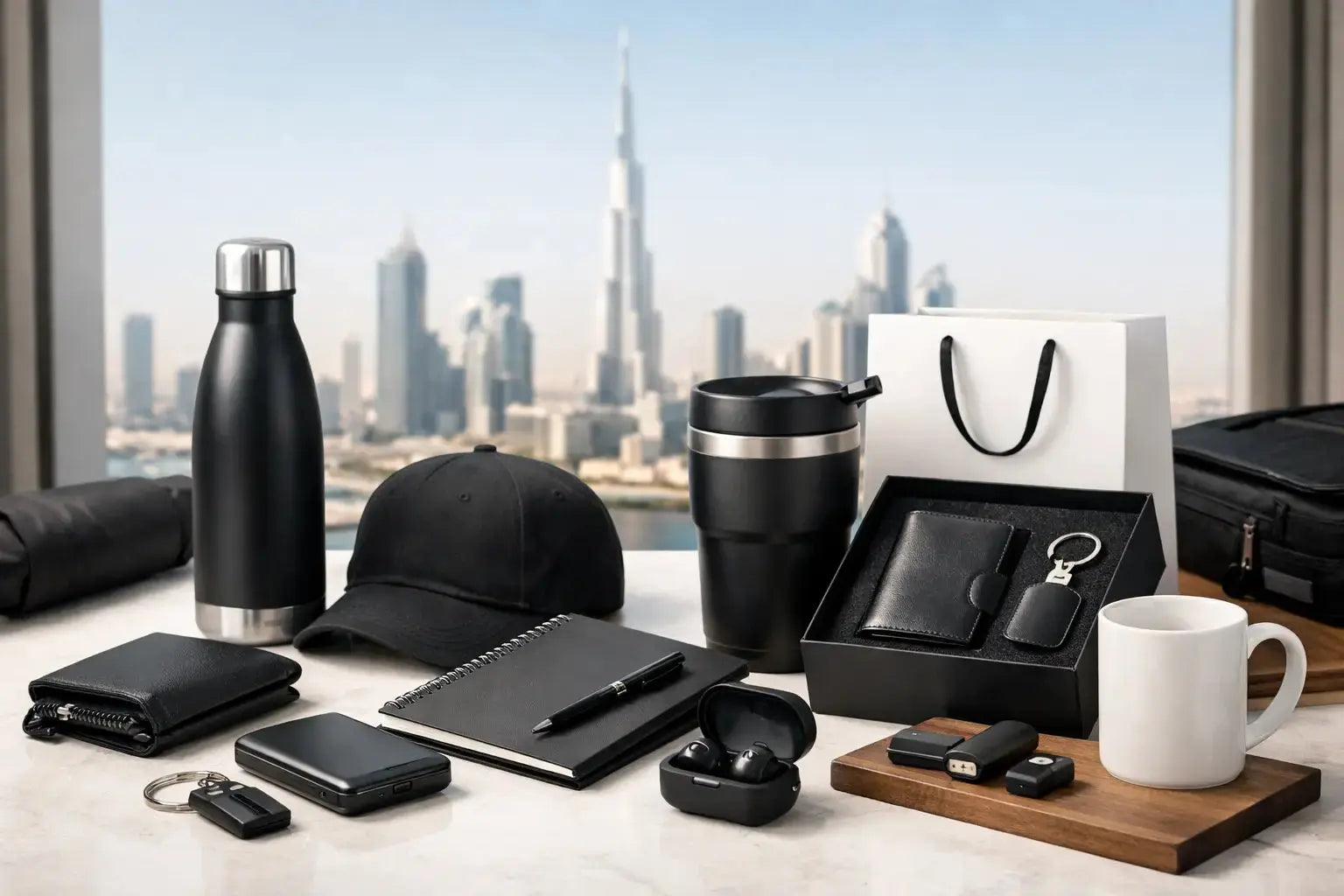
A rushed event order can leave a strong brand looking inconsistent: the giveaways do not match the booth, staff uniforms arrive without the right details, or packaging feels unrelated to the product inside. For branded merchandise Dubai companies can use with confidence, the best starting point is not a product catalog. It is a clear plan for who will receive the item, where they will use it, and what the brand needs it to achieve.
Merchandise is most effective when it earns a place in a recipient's workday, travel bag, office, or home. A useful bottle, well-made notebook, practical tote bag, or branded desk accessory can keep your company visible long after a meeting or exhibition ends. The goal is not simply to put a logo on an item. It is to select materials, decoration methods, quantities, and delivery timing that support a specific business outcome.
Start With the Purpose Behind the Merchandise
The same product is not right for every campaign. A client appreciation gift needs a different level of presentation than a high-volume exhibition giveaway. Employee welcome kits should feel consistent with company culture, while restaurant promotional items need to support repeat visits and easy recall.
Before choosing products, define the primary purpose. Is the merchandise intended to generate leads at an event, support a product launch, reward employees, strengthen client relationships, or create a more consistent retail experience? This decision shapes the budget, quantity, packaging, and level of personalization.
For example, a conference organizer may prioritize portable items that are easy to distribute at registration, such as lanyards, notebooks, pens, and tote bags. A corporate team hosting senior clients may choose premium gift sets, drinkware, leather-look accessories, or technology items presented in customized packaging. Both are valid choices, but the quality level and execution should match the moment.
It also helps to identify what success looks like. For an exhibition, that may mean high visibility and easy handouts. For an internal campaign, it may mean stronger employee engagement. For a retail launch, it may mean packaging that makes the product feel more considered from the first interaction.
Branded Merchandise Dubai Buyers Should Prioritize
Useful merchandise usually delivers better long-term brand exposure than novelty items. A recipient does not need to be impressed by every item, but they should see a practical reason to keep it. That is why product selection should reflect the audience's routine rather than a passing trend.
Event and Exhibition Essentials
Events demand items that are easy to transport, quick to hand out, and recognizable from a distance. Branded pens, notebooks, tote bags, lanyards, badges, folders, and reusable drinkware remain dependable choices because they serve an immediate purpose during the event.
For a larger booth presence, merchandise should work alongside exhibition materials rather than compete with them. Matching colors across backdrop displays, roll-up banners, staff uniforms, brochures, and giveaways creates a more organized presentation. If attendees see one visual system at the stand and receive another in their bag, the brand experience loses clarity.
Portability matters here. Bulky gifts may look impressive but can be inconvenient for visitors moving between halls. Reserve heavier or more premium items for scheduled meetings, VIP guests, or post-event delivery.
Corporate Gifts and Client Appreciation
Corporate gifting requires more attention to perceived value. A thoughtful gift should feel appropriate for the relationship without becoming overly complicated. Premium notebooks, insulated bottles, curated desk sets, wireless accessories, and custom gift boxes are often effective because they combine usefulness with a polished presentation.
Personalization can make a meaningful difference when quantities are manageable. Adding a recipient name, department, event date, or campaign message can turn a standard item into a considered business gift. However, variable details require accurate data and extra production coordination, so finalizing names and artwork early is essential.
Packaging deserves equal attention. A good gift box, sleeve, sticker, or printed card can make a familiar product feel more intentional. It also creates an opportunity to reinforce your logo, message, and brand colors without overcrowding the item itself.
Employee Kits and Office Branding
Employees represent your brand every day. Welcome kits, recognition gifts, uniforms, ID accessories, stationery, mugs, and office signage can help create a consistent experience for new hires and established teams alike.
For onboarding, a kit should balance practical work items with a sense of belonging. A branded notebook, pen, bottle, laptop accessory, ID holder, and welcome card can be organized in a customized box or tote. The right mix depends on whether the team works in an office, visits clients, operates in retail, or supports field operations.
Uniforms and workwear need a more technical approach. Fabric weight, fit range, logo placement, wash durability, and intended working conditions all matter. A hospitality uniform may prioritize appearance and comfort, while a logistics team may need practical materials and clear identification. Confirm sizing requirements before production and request a sample when the order involves a new garment style or decoration method.
Match Materials and Printing Methods to Real Use
A logo can look excellent on screen but perform differently on metal, fabric, paper, plastic, or textured packaging. Material selection is part of brand control, especially when items will be handled often or used outdoors.
Screen printing is often suitable for bold designs and larger quantities on products such as bags, apparel, and promotional items. Embroidery offers a textured, professional finish for uniforms, caps, and selected fabric goods. UV printing can support detailed color work on many hard surfaces, while laser engraving creates a durable, refined look on metal items and selected accessories. Digital printing is a strong option for full-color paper products, labels, packaging, and artwork with fine detail.
There is no single best method. A one-color logo may look more effective in embroidery or screen print than in a complex full-color application. A detailed brand illustration may need digital or UV printing to remain legible. Your supplier should review the artwork, product surface, and expected use before recommending a method.
Keep the design focused. Small text, fine lines, and low-contrast colors can disappear on certain materials. If an item has limited print space, use the logo alone or pair it with a short, readable message. Save detailed information for packaging, inserts, QR-ready campaign materials, or brochures where there is room for it.
Plan Quantity, Timing, and Delivery Early
The right quantity is rarely just the number of guests expected. Consider staff allocation, VIP reserves, extra stock for follow-up meetings, and a reasonable contingency for last-minute needs. Ordering too close to the event can restrict product choices and decoration options, particularly for custom-made items or orders involving multiple branded components.
A clear approval process protects both speed and quality. Share the correct logo files, confirm brand colors, approve the artwork layout, verify spelling, and confirm delivery details before production begins. If several departments are involved, appoint one decision-maker to consolidate feedback. This prevents contradictory revisions and keeps the project moving.
For recurring campaigns, it may be practical to standardize a core set of merchandise. Approved notebooks, pens, bottles, tote bags, uniforms, stickers, and packaging formats make reordering easier while maintaining consistency across teams and locations. You can then add campaign-specific items around that reliable base.
Dubai businesses also benefit from working with a supplier that can coordinate related requirements under one production plan. When merchandise, packaging, event displays, labels, and printed collateral are managed together, matching colors and delivery schedules becomes more straightforward. Printava supports ready-made branded products and custom orders for companies that need practical guidance from sourcing through final delivery.
Make Every Item Feel Part of the Same Brand
Strong merchandise does not need excessive branding. In many cases, a clean logo placement, accurate brand color, and quality finish communicate more than a crowded design. Consistency across touchpoints is what makes the item memorable: the same visual language should appear on the product, packaging, signage, uniforms, and event materials.
Before placing the order, ask a simple question: would the recipient choose to use this item again next week? If the answer is yes, the merchandise has a better chance of extending your brand beyond the initial handover. Choose products with a real purpose, approve details carefully, and get a quote early enough to make the best production decisions.