
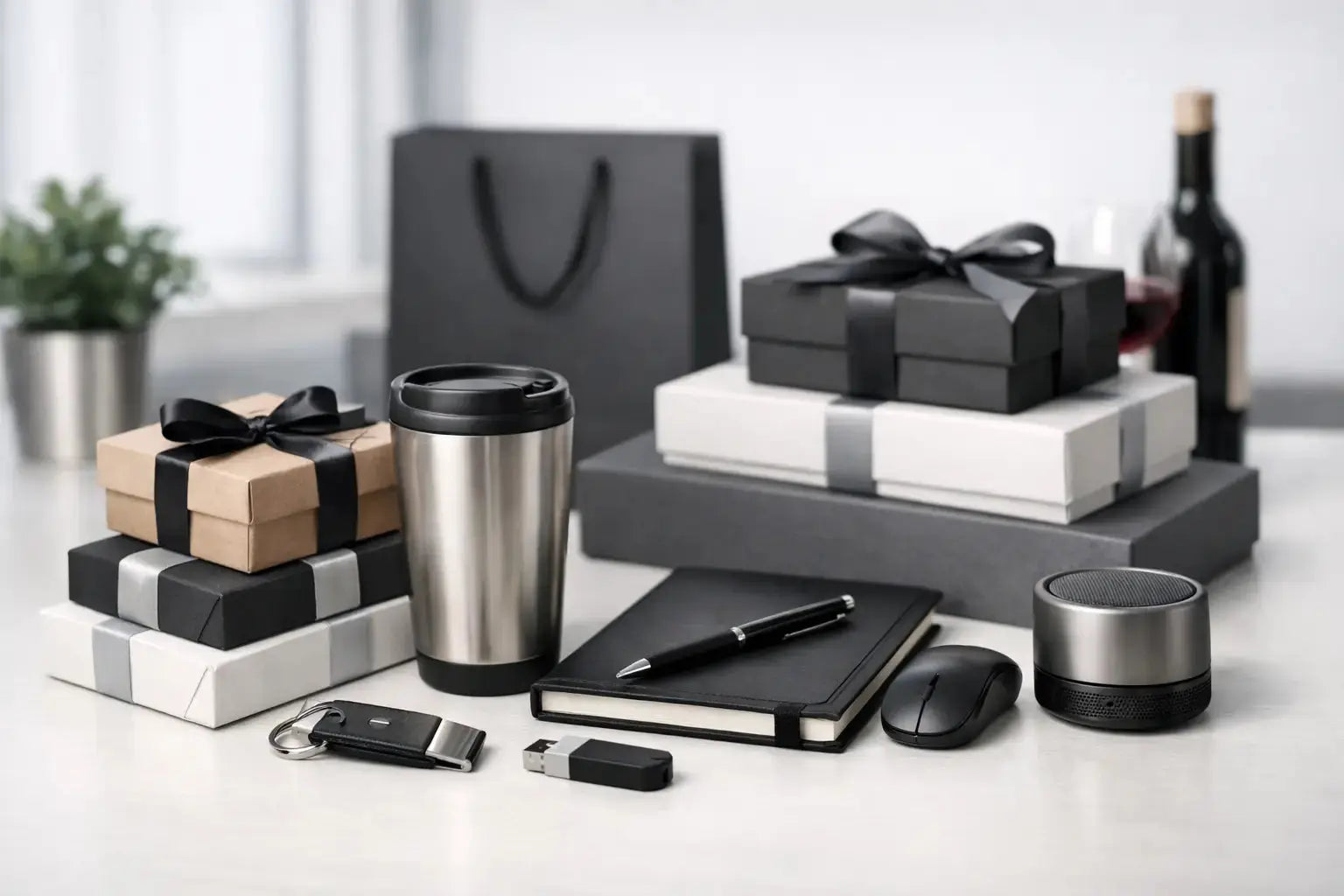
A last-minute event invitation, a new employee welcome plan, or a client appreciation campaign can all raise the same procurement question: what is minimum order for corporate gifts? The practical answer is that there is no single number. Minimum order quantity, often called MOQ, depends on the gift itself, the branding method, stock availability, and how much customization your company requires.
For a business buyer, the right question is not simply, “What is the lowest quantity?” It is, “What quantity gives us the right product, finish, timeline, and cost per piece?” Understanding that distinction helps prevent rushed decisions, inconsistent branding, and unused inventory.
What Is Minimum Order for Corporate Gifts?
A minimum order is the smallest quantity a supplier can produce or personalize economically for a particular item. It may apply to the product, the branding process, or both. A supplier may be able to provide a single ready-made notebook, for example, while the same notebook with a custom color cover, foil logo, and individual name personalization may require a much larger production run.
MOQ exists because branded gifts involve setup work. Artwork must be reviewed, machines prepared, print positions aligned, and materials allocated. For custom-made products, there may also be mold, sampling, sourcing, or factory production requirements. These fixed steps are spread across the total quantity, which is why smaller orders often carry a higher unit cost even when they are possible.
For corporate teams, an MOQ should be viewed as a planning point rather than a barrier. A suitable supplier can recommend gift options that match the quantity you need, whether you are arranging executive gifts for a small client group or branded giveaways for a large exhibition.
Why Corporate Gift Minimums Vary
The type of product is the first factor. Ready-stock items such as mugs, pens, bottles, tote bags, notebooks, USB drives, and apparel can often be branded in relatively flexible quantities. Availability still matters. If a particular color, size, or model is limited in stock, the practical minimum may be shaped by what is available for immediate allocation.
Branding method is equally important. Digital printing can suit shorter runs and designs with multiple colors or detailed artwork. Screen printing is often more efficient when the artwork is simple and the quantity is higher. Laser engraving can be a strong option for metal bottles, pens, plaques, and premium desk accessories, particularly when a durable, refined finish is required. Embroidery for uniforms, caps, and bags has its own setup and stitch-count considerations.
Custom-made gifts generally have higher minimums because the product is being created specifically for your business. This may include custom packaging, unique product colors, special dimensions, branded molds, or inserts tailored to a campaign. The longer lead time can be worthwhile when the gift is central to a launch, annual program, or high-visibility event, but it is not always the right route for a small or urgent requirement.
Typical Order Scenarios and the Best Approach
A small order can make commercial sense when the recipients are high value. Leadership meetings, premium client visits, employee recognition, and partner onboarding are common examples. In these cases, select a gift with a professional finish and focus on relevance rather than volume. A quality branded bottle, executive notebook set, or engraved desk item may create a stronger impression than a larger quantity of generic giveaways.
For mid-sized campaigns, businesses usually have more flexibility. This is often the right range for department events, restaurant openings, retail promotions, internal training sessions, and client engagement activities. Standard products with a logo application can provide a good balance of choice, budget control, and consistent presentation.
Large orders are well suited to exhibitions, conferences, staff initiatives, product launches, and seasonal promotions. Higher quantities can make certain branding methods more cost-effective and allow companies to coordinate several items, such as a tote bag, notebook, pen, and lanyard. The key is to avoid ordering volume simply because it lowers the unit cost. Gifts that do not reach the right recipients are not a saving.
The Hidden Cost of Ordering Too Few or Too Many
Ordering below the preferred quantity can increase cost per piece because setup time remains largely the same. It can also limit your choice of products, colors, and decoration options. If the campaign is scheduled around an event date, a very small custom order may not offer enough production flexibility to accommodate changes after artwork approval.
Ordering too many creates a different issue: excess stock. Branded gifts can lose relevance when an event theme, company message, logo treatment, or team structure changes. Items with dates, campaign names, or seasonal artwork are especially risky to over-order.
A practical starting point is to calculate recipients, then add a measured buffer for late registrations, VIP attendees, replacements, and internal use. The size of that buffer should reflect the event. A controlled executive event needs fewer extras than a public exhibition where walk-in traffic is less predictable.
How to Choose a Gift That Fits Your Quantity
Start with the use case. A trade show giveaway needs to be portable, easy to distribute, and useful enough for visitors to keep. An employee welcome kit should support day-to-day work and reflect the company’s culture. A client gift may need stronger packaging, a premium material, or optional personalization.
Then consider the product material and branding finish together. Metal, leather-look materials, wood, ceramic, cotton, and recycled options each respond differently to printing, engraving, or embroidery. A logo that looks excellent in one method may not deliver the same impact in another. Sharing a clear logo file and intended print area early helps the supplier recommend a suitable process before production begins.
Packaging should be included in the quantity discussion. A gift box, sleeve, thank-you card, sticker, or custom insert can raise the perceived value of an item, but may introduce separate production minimums. For a small recipient group, standard packaging with branded labels may be more practical than fully custom boxes. For a major launch or premium campaign, custom packaging can be worth the additional commitment.
Questions to Ask Before You Request a Quote
A useful quote request gives the supplier enough information to offer real options rather than a generic estimate. State the quantity you need, the recipient type, the delivery date, the preferred product category, and any material or color requirements. Include whether you need a logo only, individual names, custom packaging, or multiple designs.
It is also wise to ask whether the MOQ applies per item, per color, per print position, or per design. A single-color logo on one location may have different requirements than a full-color design printed on several areas. If you are considering two logo versions for different departments or event sponsors, ask how splitting the quantity affects production.
For UAE businesses coordinating events in Dubai or delivery across multiple locations, confirm the finished delivery plan at the quoting stage. A supplier can help organize production and packaging around the way gifts will be distributed, whether that means one office delivery, event-ready cartons, or separate allocations for teams.
When a Lower MOQ Is Worth It
A lower minimum is valuable when speed, personalization, or product testing matters more than the lowest unit price. It can allow a marketing team to test a new giveaway before committing to a larger campaign. It can also support a targeted gifting strategy where every recipient is known and the presentation needs to feel considered.
However, low quantity should not mean compromising the campaign brief. If your preferred product requires a larger run, compare it against available alternatives with similar utility, material quality, and branding potential. The best decision may be a different item that can be branded within your deadline and quantity rather than forcing an unsuitable product into the plan.
At Printava, the most effective corporate gift orders begin with a clear recipient count and a realistic production brief. Share your quantity, branding requirements, and required date, then choose the product and finish that support the purpose of the gift. A well-planned order does more than meet a minimum - it puts a useful, professional representation of your brand in the right hands.