
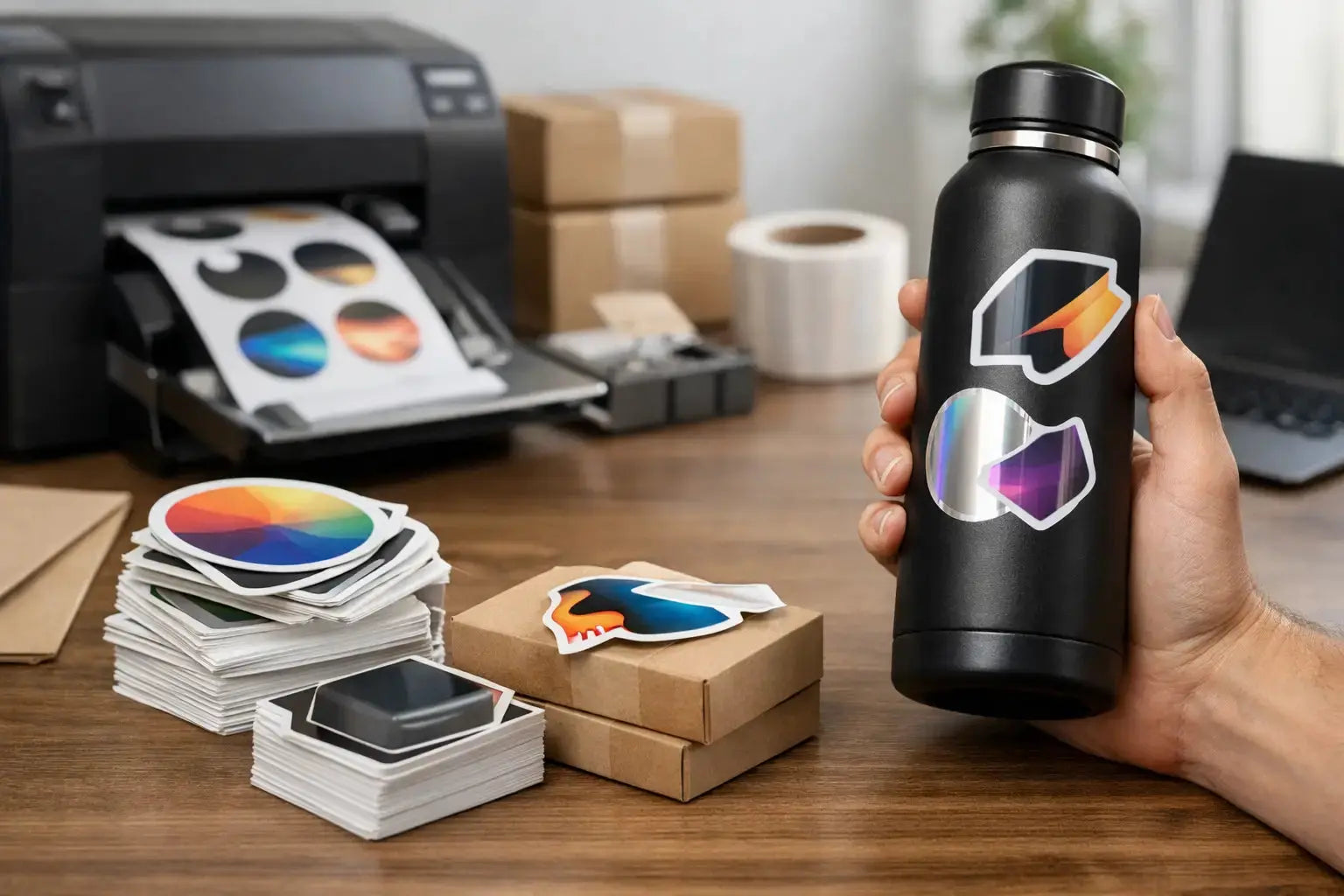
A product label can be the first branded detail a customer sees. A seal on a delivery box can reinforce trust before the package is opened. A well-placed window graphic can turn passing foot traffic into store visits. That is why sticker printing is not simply a finishing task. For businesses, it is a practical branding tool that supports packaging, promotions, operations, and customer experience.
The right sticker needs to look consistent with your brand, stay readable in its intended environment, and apply cleanly to the surface it is designed for. Selecting a material based on appearance alone can create unnecessary problems later, especially when stickers will face moisture, heat, handling, or outdoor exposure.
Sticker Printing Is a Brand Touchpoint
Businesses use stickers in more places than they often realize. Restaurants use them to seal takeaway packaging and identify menu items. Retailers use them for product labels, pricing, and seasonal promotions. Event teams use them for registration packs, product samples, directional messaging, and branded giveaways. Offices and warehouses use labels to organize equipment, inventory, and storage areas.
In each case, the sticker carries a job beyond displaying a logo. It may need to communicate product information, make a package feel more premium, support faster fulfillment, or help a customer recognize a campaign at a glance. A clear objective makes the production decision easier.
For example, a short-term campaign sticker on a smooth indoor surface may not require the same material as a bottle label exposed to refrigeration and regular handling. Similarly, a branded seal for a gift box should be selected for a polished presentation, while an asset label should prioritize legibility and adhesion over decorative detail.
Start With Where the Sticker Will Be Used
The application should guide every major decision, including material, adhesive, finish, size, and quantity. Before approving artwork, consider the surface the sticker will be applied to, how long it needs to remain in place, and what it may encounter after application.
Packaging stickers are commonly applied to paper bags, cardboard boxes, jars, cups, pouches, and gift packaging. Surface texture matters here. A label that applies well to a smooth coated box may behave differently on a textured kraft surface. If the packaging is handled frequently or stored in chilled conditions, a more durable stock may be the better choice.
Product and inventory labels need practical clarity. Include enough space for product names, codes, sizes, dates, or handling instructions without making the label difficult to scan. For operational use, consistency is more valuable than visual complexity. Standardized label sizes can also make reordering easier across multiple product lines or locations.
Promotional stickers work best when they have one immediate message. This may be a campaign offer, a QR code, a new product announcement, or a simple visual mark for an event. They should be easy to read from the intended viewing distance. Small text and crowded designs can weaken an otherwise strong campaign.
Outdoor stickers require more careful planning. Exposure to sun, dust, moisture, and temperature changes affects material performance over time. Discuss the expected display period and location before choosing a specification, particularly for vehicle applications, window graphics, site signage, or exterior promotional use.
Choose the Right Material for the Job
Material selection affects durability, appearance, and budget. There is no single best option for every order. The best choice is the one that matches the sticker's use case and expected lifespan.
- Paper stickers are a practical option for dry, indoor applications such as retail packaging, box seals, and promotional labels. They offer a clean print surface and suit many everyday business requirements.
- Vinyl stickers are commonly selected when greater resistance to moisture and regular handling is needed. They are suitable for a range of indoor and outdoor applications, depending on the final specification.
- Clear stickers allow the surface beneath the design to remain visible. They work well on glass, bottles, jars, and premium packaging where a minimal, integrated look is preferred.
- Metallic or specialty finishes can add visual impact to product packaging, event materials, and branded gift presentation. They are most effective when used selectively, with artwork designed to complement the finish.
Size, Shape, and Artwork Should Work Together
Sticker size should be based on the available application area, not just the artwork. Measure the panel, container, box lid, bottle, or window where the sticker will sit. This prevents common issues such as labels wrapping over edges, covering important information, or appearing too small to make an impact.
Standard shapes such as circles, squares, rectangles, and ovals are efficient and versatile. They suit high-volume packaging labels, stock identification, and routine promotions. Custom die-cut shapes are useful when the outline is part of the campaign or when a logo mark needs to stand out. They can create a stronger visual effect, though they may require more detailed setup and should be planned carefully for repeat orders.
Artwork should be supplied at the correct size and in high resolution. Keep important text and logo elements away from the edge of the design to allow for trimming tolerance. If the sticker includes a barcode, QR code, or small legal text, test readability at the final printed size rather than relying only on an enlarged screen preview.
Color consistency is also essential for businesses managing multiple branded materials. Use approved brand colors and provide existing artwork files where possible. When stickers will be printed alongside packaging, signage, uniforms, or event collateral, aligning colors and visual style helps create a more professional brand presence.
Finish Choices Affect Both Appearance and Function
A finish can protect the printed surface while changing how the sticker feels and reflects light. Gloss finishes create a bright, polished appearance and can make colors appear more vivid. They are often a strong fit for promotional stickers, retail labels, and colorful packaging designs.
Matte finishes provide a more understated look with reduced glare. They can suit premium packaging, office labels, and designs with fine text. In areas with strong lighting, such as exhibitions or retail displays, matte may improve readability. The right finish depends on the brand style and where the sticker will be seen.
Lamination may be worth considering when stickers will receive frequent handling, cleaning, or exposure to demanding conditions. It adds protection, but it is not necessary for every indoor label. Choosing only the features that the application requires helps keep the order efficient and fit for purpose.
Plan Sticker Printing for Faster Reorders
A well-managed sticker order should make future ordering simpler. Keep approved artwork, specifications, dimensions, material details, and finishing notes in one place. This is particularly helpful for businesses with recurring packaging runs, multiple branches, changing product batches, or regular events.
When requesting a quote, provide the intended use, sticker size, quantity, shape, material preference if known, finish, and delivery requirement. Sharing a photo of the application surface or packaging can also help clarify the specification. If the order includes several versions, such as different flavors, product codes, or campaign messages, identify how many designs are required and the quantity for each one.
For Dubai businesses managing launches, exhibitions, retail promotions, or packaging replenishment, working with one supplier across branded materials can reduce coordination time and help maintain visual consistency. Printava supports custom sticker and label requirements alongside packaging, signage, promotional products, and event materials, making it easier to align specifications across a campaign.
Make Every Label Earn Its Place
The most effective stickers are designed with a clear purpose, not added as an afterthought. A practical specification protects the brand, supports the customer journey, and reduces avoidable rework when products move from packing table to shelf, delivery bag, or event floor.
If you have artwork ready or need help selecting the right material and format, prepare your application details and get a quote today. The right sticker can make a small surface work much harder for your business.