
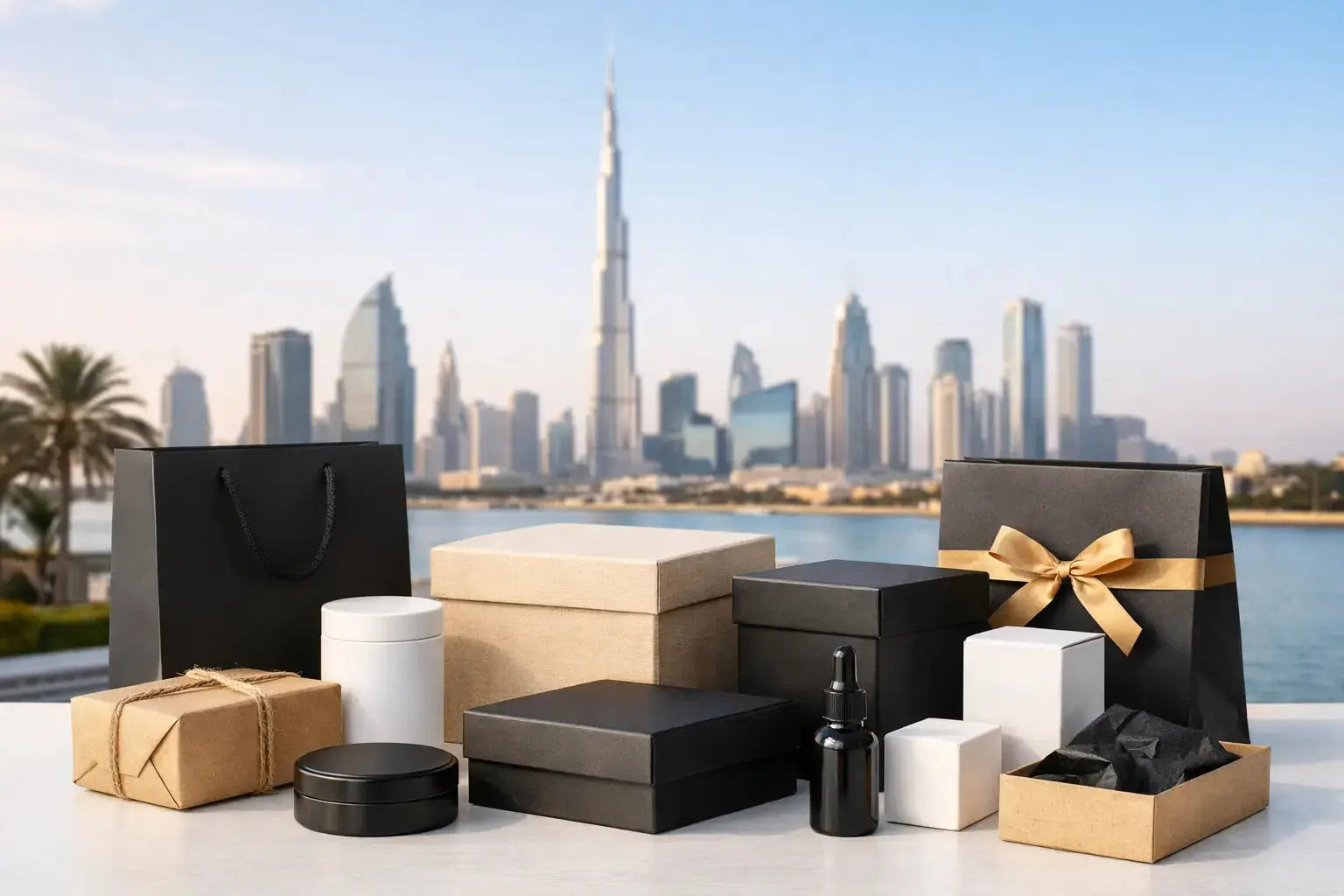
A product can be excellent and still arrive with the wrong impression. A plain box, an ill-fitting sleeve, a label that does not match the brand, or packaging that fails during delivery can weaken the customer experience before the product is even used. Custom packaging Dubai gives businesses a practical way to protect products, present them professionally, and make every handover, shipment, or retail display feel considered.
For restaurants, retailers, corporate teams, startups, and event organizers, packaging is not simply a container. It is part of the brand system. It needs to suit the product, hold up through handling, support the intended sales channel, and look consistent with the rest of the company’s printed materials.
Why Custom Packaging Dubai Matters for Business
In a competitive market, customers often make quick judgments. Packaging affects how premium a product feels, how organized a delivery appears, and whether a brand is memorable after a purchase or event. A printed box, branded paper bag, product sleeve, sticker, or label can create a unified experience without changing the product itself.
The commercial value is especially clear when packaging is used repeatedly. Retailers benefit from shelf-ready presentation. Food businesses need packaging that supports safe, practical service while carrying essential brand information. Corporate teams can use custom boxes and gift packaging to make employee kits, client gifts, and promotional items feel more purposeful. For product launches and exhibitions, packaging also helps materials travel neatly and reach recipients in presentation-ready condition.
The right solution depends on the job. A premium rigid box may work well for executive gifts, but it may not be the best choice for a high-volume takeaway item. A simple branded corrugated box may be ideal for shipping, while a printed sleeve can add visual impact to standard stock packaging at a more controlled cost. Good packaging decisions balance appearance, protection, volume, and handling requirements.
Start With the Product and Its Journey
Before choosing materials or finishes, define what the packaging must do. Consider the product’s dimensions, weight, shape, and fragility. Then consider its journey: Will it sit on a retail shelf, be carried from a restaurant, be delivered by courier, handed out at an event, or presented directly to a client?
A box designed for a countertop display has different priorities from one designed for delivery. Display packaging may focus on print coverage, opening style, and shelf presence. Delivery packaging needs secure construction, correct sizing, and enough strength to protect the contents through transport. Oversized packaging can look inefficient and increase handling costs, while packaging that is too tight may damage the product or create a poor unboxing experience.
For businesses ordering multiple branded items at once, it is useful to think in systems. A product box, branded sticker, thank-you card, paper bag, and shipping label should not look like separate campaigns. Consistent colors, logo placement, typography, and finishing details make the brand feel organized across every customer touchpoint.
Select a Structure That Fits the Use Case
Packaging structure affects both function and perception. Folding cartons are often suitable for retail products, cosmetics, accessories, smaller gifts, and boxed food items. Corrugated boxes provide greater protection for shipping and heavier products. Rigid boxes are commonly chosen for premium presentations, corporate gifts, and high-value items where the opening experience matters.
Paper bags, sleeves, wraps, and inserts can also be effective options. They are particularly useful when a business already has standard packaging but wants a branded upgrade for a campaign, seasonal promotion, or event. A sleeve can transform a plain box or cup into a branded item without requiring a fully custom structure.
Ask how the packaging will be assembled and stored. Complex structures can make a strong visual statement, but they may take more space and require more handling. Flat-packed cartons can be practical for businesses with limited storage, while ready-assembled rigid boxes are often better suited to premium gift sets and direct presentation.
Material and Finish Should Support the Brand
Material choice influences durability, print appearance, and the overall feel in the customer’s hands. Paperboard can offer a clean, polished retail look. Corrugated material provides practical strength for transport. Kraft-style stocks can suit brands that prefer a natural, straightforward presentation, while coated materials can make full-color graphics appear sharper and more vibrant.
Finishes should be selected with purpose. Matte lamination can create a refined, understated surface and help protect printed areas. Gloss finishes can add visual energy to colorful designs. Spot effects, foil details, embossing, and textured finishes may be appropriate for premium packaging, but they should support the brand rather than distract from it.
A practical design often uses one or two strong details instead of trying to decorate every surface. A clear logo, focused color palette, readable product information, and consistent placement usually do more for brand recognition than an overcrowded layout. This is particularly important for smaller packaging, where space is limited and text can quickly become difficult to read.
Build Packaging Around Real Operational Needs
Packaging design should work beyond the first sample. Procurement teams need specifications that can be repeated for future orders. Marketing teams need brand consistency. Operations teams need packaging that is easy to pack, stack, carry, and distribute. When these needs are considered early, the result is easier to manage at scale.
For food, retail, and delivery businesses, labels and stickers are often a key part of the packaging plan. They can identify products, support campaign messaging, add dates or handling details, and provide a branded seal. Labels are also useful for businesses that sell several product variations using the same base box or bag.
Event packaging has its own requirements. If items will be distributed quickly at a conference, exhibition, or activation, choose formats that are easy to carry and open. If the package includes multiple promotional items, internal inserts or dividers can keep the presentation neat. The goal is to make distribution efficient without losing the premium feel of the brand.
Plan the Artwork Before Production
Strong packaging production starts with accurate artwork. Supply logos in suitable formats, use the correct brand colors, and confirm that all required product text, legal information, and contact details are final before printing. Check spelling, dimensions, barcode placement where applicable, and how the design wraps across folds, edges, and openings.
It is also important to account for print method and material behavior. Fine text, very light colors, metallic effects, and dark solid areas may perform differently depending on the stock and finishing process. A professional pre-production review helps identify issues before the order moves forward, reducing avoidable revisions and ensuring the final packaging matches the intended use.
For new packaging formats, a sample or prototype can be valuable. It allows the team to test fit, folding, opening, and product protection before committing to a larger run. This is especially useful for custom-shaped items, gift kits, and products that require inserts.
Choose a Supplier That Can Execute the Full Requirement
Packaging orders often involve more than printing a box. A business may need product labels, branded bags, promotional inserts, stickers, corporate gift components, and delivery coordination at the same time. Working with a supplier that understands the full brand requirement can simplify the process and help maintain visual consistency across materials.
Look for clear guidance on size, material, finish, quantities, and production setup. Fast communication matters when packaging is tied to a launch date, exhibition, opening, or campaign. Equally important is practical advice: whether a structure is suitable for the product, whether an alternative material makes sense, and whether the artwork will work reliably in production.
Printava supports Dubai and UAE businesses with custom packaging and related branded materials, helping teams coordinate boxes, bags, labels, stickers, inserts, and promotional presentation through one professional point of contact.
The best packaging is not the most complicated option. It is the one that protects the product, reflects the brand accurately, and makes the next purchase, delivery, or client presentation feel easy to trust. Start with the product requirements, confirm the intended use, and get a quote based on the specifications that matter to your business.