
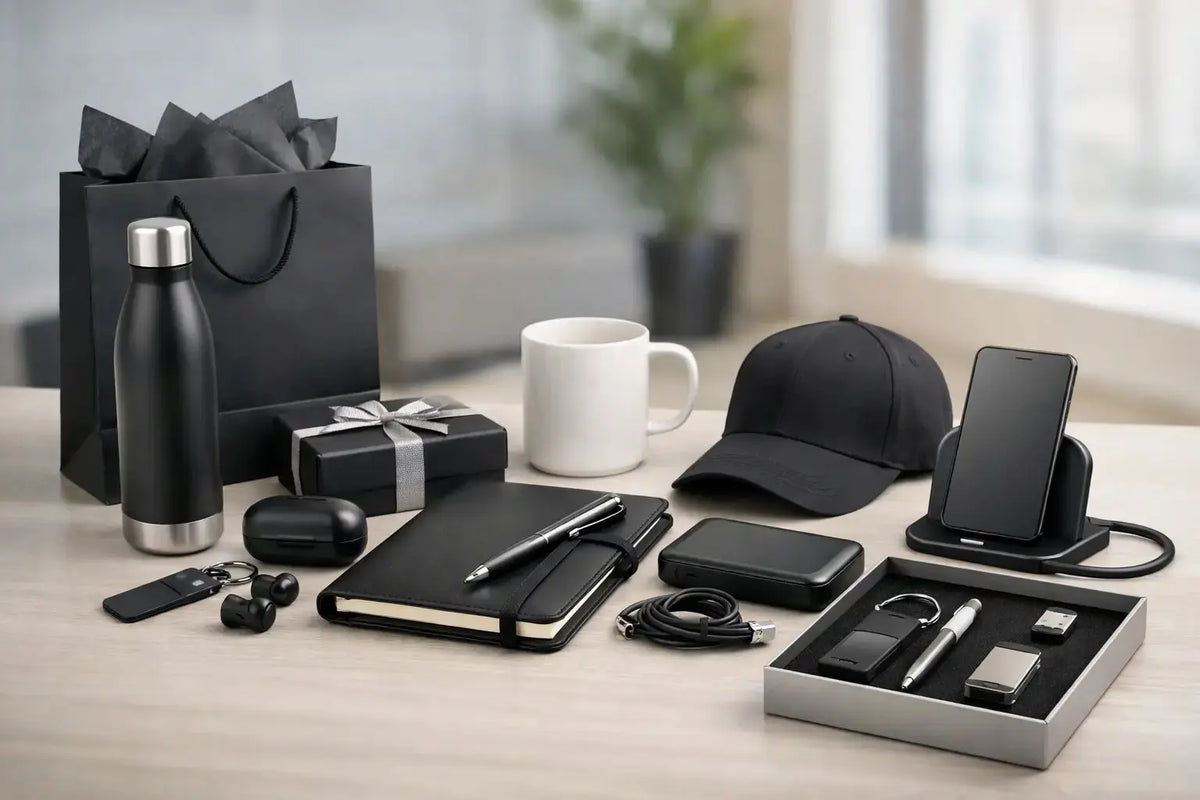
A branded pen handed over at a conference can disappear into a drawer by evening. A well-chosen insulated bottle, notebook, desk accessory, or travel item can stay in daily use for months. That difference is why promotional gifts should be treated as a business decision, not a last-minute event expense.
For companies planning client meetings, employee recognition, trade shows, product launches, or seasonal campaigns, the right item keeps the brand visible after the conversation ends. The goal is not simply to place a logo on a product. It is to select something useful, present it professionally, and make sure the branding reflects the standard of the business behind it.
Start Promotional Gifts With the Recipient
The strongest gift choices begin with one practical question: what will this person actually use? A procurement team ordering for senior clients has different requirements from an event organizer preparing 1,000 attendee giveaways. A restaurant launching a loyalty program needs a different approach from a technology company welcoming new employees.
Consider where the recipient will encounter the item. Office professionals often value notebooks, pens, wireless charging accessories, drinkware, and desktop organizers. Frequent travelers may respond better to luggage tags, passport holders, travel adapters, or compact toiletry bags. Event audiences generally need lightweight, easy-to-carry products that can be distributed quickly without creating storage or transport issues.
Relevance matters more than novelty. An unusual product may attract attention at first, but a practical item earns more repeat exposure. When the item fits a recipient's routine, the logo becomes a familiar part of their working day rather than a temporary marketing message.
Match the Item to the Business Moment
A gift should support the purpose of the interaction. For a high-value client meeting, premium presentation often matters as much as the product itself. A metal pen in a gift box, an executive notebook set, or quality drinkware can communicate care and professionalism without being excessive.
For an exhibition, volume and portability usually take priority. Tote bags, branded notebooks, pens, reusable cups, and phone accessories can work well because attendees can carry them easily through the venue. If the campaign includes a product demonstration or lead capture activity, select an item that is simple to hand out and useful enough to encourage visitors to keep it.
Employee welcome kits and internal recognition programs benefit from a coordinated selection rather than one isolated product. A notebook, pen, bottle, and branded apparel item can create a consistent onboarding experience. The best combination depends on budget, role, and how often employees work from an office, travel, or meet customers.
Choose Materials That Support Your Brand Positioning
Material affects perceived value, durability, print finish, and cost. It should also align with the way your company wants to be remembered. A polished metal finish can suit financial services, real estate, consulting, and executive gifting. Natural textures such as cork, bamboo, cotton, or recycled paper can support campaigns centered on considered purchasing and lower-waste choices.
There is no single best material. A premium item may be the right choice for a small client list but unnecessary for a large public event. Conversely, the least expensive option is not always the most cost-effective if it does not hold up, is difficult to brand clearly, or fails to match the audience's expectations.
When comparing products, look at the details that affect the final result: item dimensions, available branding area, base material, color options, packaging, and expected use. For apparel and bags, fabric weight and stitching matter. For drinkware, consider insulation, lid construction, and whether the shape is comfortable to carry. For pens, assess writing quality, refill availability, and the finish of the barrel.
Make the Branding Easy to See and Easy to Trust
A logo does not need to cover every surface to be effective. In fact, oversized branding can make a useful product feel more like an advertisement than a gift. A clean logo placement, a well-chosen brand color, and a readable message usually create a stronger impression.
The printing method should be selected for the product, artwork, quantity, and finish required. Screen printing can be effective for bold artwork on bags, apparel, and selected promotional items. UV printing suits detailed, full-color designs on many flat or rigid surfaces. Laser engraving offers a refined and durable finish on compatible metal, wood, and coated products. Embroidery is often preferred for uniforms, caps, and textile items where texture and long-term wear matter.
Before production, confirm the artwork file, placement, print colors, and size. Small details can change the outcome significantly. Fine lines may not reproduce well at a small scale, while low-resolution images can appear unclear when printed. A supplier that reviews artwork and recommends a suitable method helps prevent delays and keeps the final product aligned with the approved design.
Keep Gift Sets Consistent
If you are ordering multiple products for a campaign, consistency turns separate items into a recognizable brand experience. Use the same approved logo version, color references, typography, and messaging across notebooks, packaging, bottles, bags, and event materials.
This is especially valuable for corporate gift boxes. The outer box, filler card, product selection, and individual branding should feel intentional. A compact set can look more premium than a larger collection of unrelated items. Consider the unboxing experience, but keep it practical for storage, delivery, and distribution.
Plan Quantity, Timing, and Distribution Early
Promotional product planning often becomes difficult when the item is chosen before the campaign details are clear. Start with quantity, distribution method, event date, and delivery location. These factors shape what is realistic for customization, packing, and transport.
For a trade show, include enough stock for expected foot traffic plus a sensible reserve. For client gifting, a smaller quantity with a more tailored selection may deliver better value. If gifts are being sent to several locations, decide whether they should be packed individually, grouped by department, or prepared as event-ready sets.
Custom-made products may require more lead time than ready-made branded items, particularly when they involve special sizes, materials, molds, or complex packaging. This does not mean custom projects should be avoided. It means they should be planned around the campaign calendar rather than left to the final days before an event.
Dubai businesses often manage campaigns across multiple offices, venues, and emirates. Clear delivery instructions, labeled cartons, and a defined receiving contact reduce confusion when materials are needed for conferences, staff activations, retail launches, or client events. Printava supports branded product sourcing, customization, and delivery across the UAE, helping teams coordinate these requirements through one practical workflow.
Measure Value Beyond Unit Price
The unit price is important, but it is not the whole calculation. A promotional gift creates value through visibility, usefulness, presentation, and relevance. A lower-cost item that is used every day can outperform a more expensive product that has no place in the recipient's routine.
Ask how long the item is likely to remain in use and how often it will be seen. A notebook may be used in meetings for several weeks. A quality bottle may travel between home, office, gym, and client visits. A branded uniform or tote bag can create repeated exposure in public-facing settings. These are the moments that extend a campaign beyond the original handover.
For recurring campaigns, keep records of what performed well. Track which products were popular at events, which client gift sets received positive feedback, and which materials were easiest for your team to distribute. Over time, this makes ordering faster and helps marketing and procurement teams build a reliable branded merchandise plan.
A promotional gift works best when it feels useful before it feels branded. Choose an item your audience will want to keep, apply your identity with care, and begin planning early enough to get the details right. When you are ready to turn a campaign brief into a polished product selection, request a quote with your quantity, deadline, artwork, and intended use.